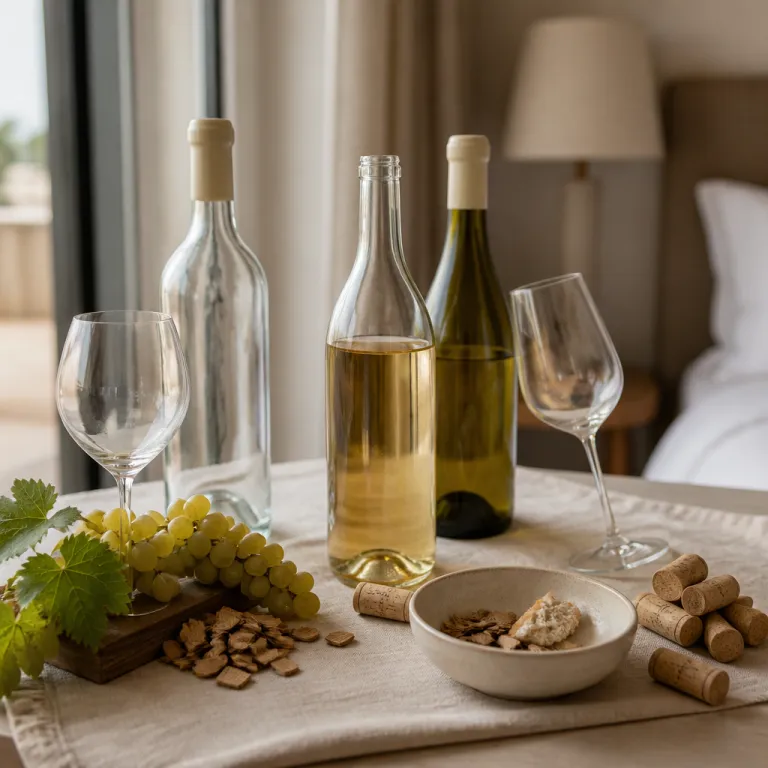
Why last minute travelers should judge a hotel by its wine list
When you book a luxury room at the last minute, you rarely have time to study every detail of the property. The fastest way to read the entire operation is often to sit at the bar, open the wine list and see how seriously the team treats what goes into each glass. A thoughtful luxury hotel beverage program wine list quality check tells you more about service standards than any lobby photo ever could.
Look first at how the list balances classic wines and newer wine brands at different price points. A serious hotel in the United States will offer a clear structure, with transparent pricing that respects both entry level guests seeking value and those ready to invest in premium bottles. When restaurants hotels treat the wine program as a core part of hospitality rather than a side note, you feel it in the way staff talk about each pour and suggest pairings from the menus.
Then pay attention to how many wines are available by the glass and how they are served. A well run beverage manager will insist that every wine glass is spotless, correctly shaped and matched to the style of wine, whether it is a lighter fresher white or a structured red. When you see sparkling wine poured with care, temperatures respected and organic options clearly marked, you can safely assume the same precision extends upstairs to housekeeping and room maintenance.
Reading the wine program as a map of hotel priorities
A hotel that invests in a deep wine program is signaling long term thinking, not just chasing tonight’s bar revenue. You will notice this in how the wine director curates both iconic wines and lesser known labels, and in how many thoughtful wine lists exist across different restaurants on property. When restaurants hotels treat each outlet as a stage for different wine programs rather than copying the same list everywhere, it shows a respect for context and for guests.
In a serious operation, the beverage manager works closely with the culinary équipe so that menus and wine lists evolve together. When the kitchen launches new seasonal dishes, the wine program responds with lighter fresher pairings, sparkling options and perhaps a few organic or low intervention wines that suit health conscious travelers. This alignment is the same operational discipline that keeps check in smooth, housekeeping discreet and late night room service reliable for guests seeking comfort after a delayed flight.
For last minute travelers who choose a property because the restaurant is the reason to stay, the bar becomes a quick stress test of the entire promise. A hotel that can present a clear wine list, explain pricing without hesitation and suggest both alcoholic wines and non alcoholic alternatives is usually one that runs tight back of house systems. When you see a team confidently handle different price points, from accessible glasses to rare bottles, you are looking at a culture that understands both revenue management and genuine hospitality.
To go deeper into how dining can define a stay, read our guide on when the restaurant is the reason to stay and use the same lens when you scan any hotel wine list.
Wellness, non alcoholic menus and the sober curious executive
Across high end properties, the most interesting shift in luxury hotel beverage program wine list quality is happening in the space between alcoholic and non alcoholic drinks. Six Senses AMAALA, for example, is launching what it describes as among the most sophisticated non-alcoholic beverage programs in the region, signaling a shift in how luxury hotels approach drinks beyond the minibar. That kind of ambition matters for health conscious and sober curious guests who still expect the same level of craft they would find in top wines.
For the business leisure traveler extending a trip, a strong non alcoholic section on the list is no longer a nice to have. Executives who may have several client events in one week want menus that offer lighter fresher options, from sparkling tea served in a proper wine glass to complex zero proof cocktails that feel as considered as any sparkling wine. When a beverage manager can speak fluently about both alcoholic wines and sophisticated non alcoholic pairings, you are seeing a hotel that understands modern wellness without turning it into a lecture.
The counter trend is that many traditional luxury restaurants hotels are doubling down on deep wine programs and sommelier led experiences. They are expanding wine lists, refining pricing by the glass and investing in a wine director who can host intimate events, vertical tastings and cellar dinners. If you are choosing between two last minute options, the property that can articulate why its wine program exists, how it supports wellness and how it treats non drinkers with equal respect is usually the safer overall bet.
For more on how hotels are rethinking recovery and wellness, our feature on recovery first travel shows how beverage choices now sit alongside spa menus and sleep programs in shaping the stay.
If you want to understand how chef led concepts influence beverage strategy, our report on temporary chef residencies explains why wine programs often evolve fastest when a new culinary voice moves in for a season.
From bulk wine to benchmark lists: what pricing reveals
Nothing exposes a hotel’s values faster than how it handles pricing on the wine list. When you see a thoughtful spread of price points, with honest markups and clear by the glass options, you are usually looking at a property that respects both its guests and its own costs. By contrast, a list padded with anonymous bulk wine at inflated prices suggests a short term mindset that may also show up in cut corners elsewhere.
In the United States, the most guest focused restaurants hotels tend to build wine lists that start with a few accessible wines by the glass, then climb steadily through mid range bottles before reaching premium icons. This ladder of price points allows guests seeking a quick glass at the bar and those planning celebratory events to feel equally welcome. When the beverage manager can explain why a certain wine brand commands a higher price point, referencing vineyard practices or the broader wine industry, you are hearing the same transparency that should apply to room categories and late checkout fees.
Pay attention to how the hotel treats sparkling wine and other celebratory styles. A serious wine program will offer at least one high quality sparkling option by the glass, a couple of classic wines from established regions and perhaps an organic or lighter fresher style for health conscious travelers. If the team can pour each glass with confidence, handle temperature correctly and speak about the wines without reading from the list, you are probably in a property where training and standards are non negotiable.
How to audit a hotel bar in ten minutes
When you arrive on a late flight and check in on a last minute rate, the bar becomes your quickest diagnostic tool. Take a seat with a clear view of the back bar and watch how the équipe moves, how they handle each wine glass and how they interact with guests. The way they pour, recommend and manage the wine list will tell you whether this is a hotel that sweats the details or one that simply sells alcoholic drinks.
Start by asking for the wine list and noting how many wines are available by the glass, including any sparkling wine or organic options. A well run beverage program will show balance between classic wine brands, emerging producers and a few thoughtful lighter fresher choices for health conscious or sober curious travelers. If the wine director or on duty beverage manager appears tableside to guide you through the lists, that is usually the same leadership that keeps room service punctual and meetings set ups flawless for corporate events.
Then ask one or two simple questions about the wine program, perhaps about how they choose wines for different restaurants hotels on property or how they handle guests seeking non alcoholic pairings. Confident, specific answers that reference the broader wine industry, explain pricing and show awareness of different price points are strong signals of operational maturity. When a hotel can speak with equal fluency about premium alcoholic wines, serious non alcoholic menus and the expectations of last minute travelers, you can usually trust the rest of the stay to run just as smoothly.
FAQ
How can I quickly judge luxury hotel beverage program wine list quality on arrival ?
Order one wine by the glass and pay attention to how the team presents the bottle, pours the wine and explains its style. Check whether the wine list offers a range of price points, including accessible options and premium bottles, plus at least one serious non alcoholic alternative. If staff can answer basic questions about the wine program without hesitation, the overall operation is usually well trained.
What does a good hotel wine program offer for health conscious or sober curious guests ?
A strong program will include sophisticated non alcoholic drinks served in proper stemware, such as sparkling tea or complex zero proof cocktails. It should also highlight lighter fresher wines, some organic options and clear information about ingredients so guests can make informed choices. When non drinkers receive the same level of attention as those ordering alcoholic wines, the hotel is taking modern hospitality seriously.
Are high wine prices always a red flag in luxury hotels ?
High prices are not a problem when they are matched by quality, provenance and transparent explanation from the team. What matters is a logical structure of price points, with fair options by the glass and a clear step up to premium bottles. If the list is dominated by anonymous bulk wine at luxury markups, that suggests weak curation rather than genuine value.
Why do last minute travelers need to care about the wine list at all ?
For spontaneous trips, you often cannot research every operational detail before booking. The wine list and broader beverage program act as a shortcut, revealing how the hotel thinks about training, sourcing and guest experience. If the bar is well run, with thoughtful wines, clear menus and engaged staff, the rest of the stay usually reflects the same standards.
How do hotel bars turn into revenue centres without feeling pushy ?
They focus on quality over volume, building wine programs that encourage guests to trade up through education rather than pressure. This means offering tasting flights, clear explanations of pricing and events such as small group tastings that feel like experiences, not sales pitches. When guests feel informed and respected, they naturally explore more of the list and the bar becomes a sustainable profit engine.