What the EU plastics ban means for luxury hotels and last minute stays
The european union has approved a sweeping ban on many single plastic amenities in hotels, forcing luxury properties to rethink every in room detail. From mid implementation, miniature plastic bottles of shampoo, shower gel, body lotion and even single wrap soaps will disappear from luxury hotels across all member states, with full enforcement scheduled later in the decade. This regulatory change targets plastic waste and broader packaging waste in the hospitality sector, and it will directly affect how last minute guests experience premium hospitality stays.
Under the new rules, single plastics used for toiletries and breakfast condiments will be phased out, including individual containers for milk, sugar, jams and sauces in hotels restaurants. The european union objective is clear ; reduce plastic waste and encourage sustainable practices through a decisive material swap from disposable containers to refillable dispensers and bulk formats. Official guidance already summarises the shift for travelers in simple terms ; “Bring personal toiletries. Expect wall-mounted dispensers.”
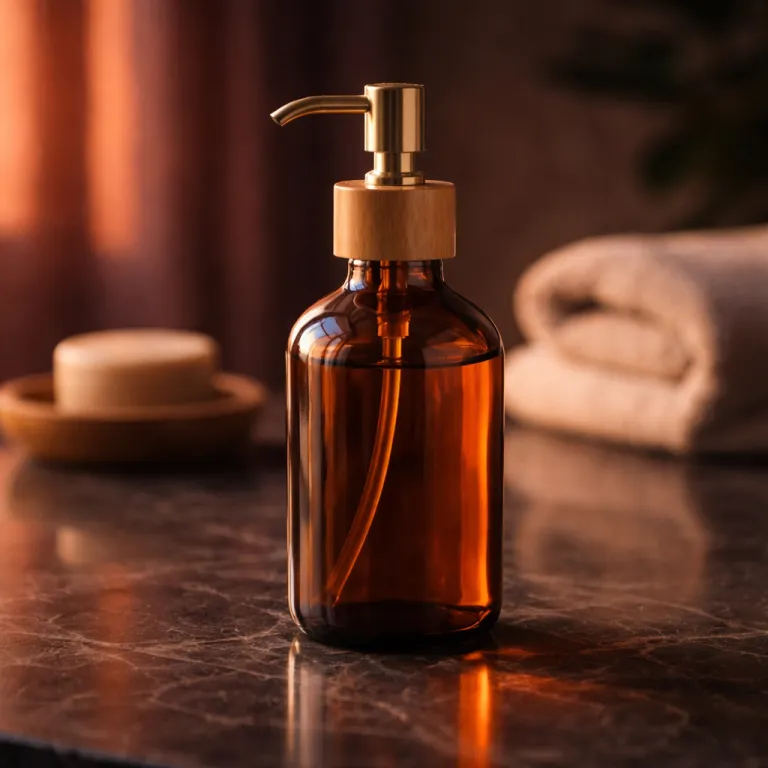
For business leisure travelers booking a luxury hotel at the last minute, the impact will be immediate and visible. The familiar line of plastic bottles on the marble vanity will be replaced by larger refillable dispensers, often locked to the wall or presented in bespoke trays to prevent tampering. Behind the scenes, hospitality brands are overhauling waste management systems, renegotiating packaging contracts and training staff so that the guest experience remains seamless even as the ban single use amenities reshapes daily operations.
Not every hotel will move at the same pace, and that matters for spontaneous trips. Some luxury hospitality groups already exceed the new sustainability requirements, while independent hotel owners in smaller member states may still be working through supply chain changes and design approvals. For last minute bookers, this means that two nearby hotels can offer very different levels of eco friendly implementation, even though both operate under the same EU plastics ban luxury hotels 2026 framework.
Regulators expect the hospitality sector to cut millions of single plastic items annually once the rules are fully in force. With more than three billion hotel nights recorded across the european union in recent data, even a single plastic bottle removed per stay translates into a dramatic reduction in plastic waste. Luxury hotels that previously distributed several plastic bottles per guest per night now face both a legal obligation and a reputational opportunity to align visible amenities with their stated sustainability commitments.
For premium hospitality brands, the EU plastics ban luxury hotels 2026 is not just about compliance ; it is about narrative. A hotel that still relies on disposable containers risks looking dated next to a competitor that has invested in sculptural refillable dispensers and low impact packaging. As last minute travelers compare hotels on platforms like last-minute-stay.com, they will increasingly weigh sustainability cues alongside rate, location and loyalty benefits, especially when extending a business trip into a leisure stay.
From miniatures to design statements in luxury hospitality
Across europe, leading hospitality brands are treating the EU plastics ban luxury hotels 2026 as a design brief rather than a constraint. In Rome, Paris and Barcelona, several flagship luxury hotels have already removed single plastic bottles from suites, replacing them with refillable dispensers filled with high end formulations from partners such as Bulgari or Aesop. These changes are most visible in top tier rooms that last minute guests often access when a suite opens unexpectedly due to a late cancellation.
The shift goes beyond the bathroom, touching every point where a guest meets packaging. Breakfast buffets that once relied on rows of single jam containers and plastic honey pods are moving to glass jars, ceramic dishes and stainless steel service pieces that reduce packaging waste without compromising luxury. In many hotels restaurants, the material swap has become part of the brand story, with menus quietly highlighting eco friendly sourcing, reduced plastic waste and new waste management protocols that keep back of house operations aligned with front of house elegance.
For travelers used to traditional amenities, the new landscape can feel uneven from one hotel to another. A last minute executive flying from a premium hospitality tower in Frankfurt to a design forward property in Lisbon may find fully integrated sustainable practices in one hotel, and only partial changes in the next. That inconsistency reflects the phased timeline across member states, where implementation begins earlier in some regions while others race to retrofit plumbing, order new containers and train housekeeping teams.
Some of the most interesting experiments are happening in properties that already attract spontaneous, design conscious travelers. In cities like Tokyo, where refillable systems are long established, premium hotels have shown how to integrate large format amenities without diluting the guest experience, a lesson detailed in this in depth look at premium last minute hotel bookings in Shinjuku. European luxury hospitality operators are borrowing similar ideas, commissioning custom ceramics, engraved metal dispensers and discreet wall mounts that feel intentional rather than improvised.
For the guest, the key question is whether the new systems feel as luxurious as the old. When refillable dispensers are thoughtfully designed, clearly labeled and impeccably maintained, they can actually elevate the guest experience by signaling both care and sustainability. Where hotels cut corners with generic plastic dispensers or poorly chosen packaging, the EU plastics ban luxury hotels 2026 risks being perceived as a downgrade rather than an upgrade.
Travelers who value both comfort and sustainability should pay attention to how a hotel communicates its approach. Clear pre arrival messaging about sustainable practices, the removal of single plastics and the availability of high quality amenities in non plastic containers can reassure guests who are booking at the last minute. For executives extending a work trip, that transparency helps align personal values with corporate travel policies, especially as more companies track environmental KPIs for their hospitality spend.
How last minute travelers should adapt packing, expectations and booking choices
For spontaneous travelers, the EU plastics ban luxury hotels 2026 changes what you pack and how you choose a hotel. With single plastic amenities disappearing, frequent flyers should build a compact kit of refillable travel containers for shampoo, conditioner and skincare, especially when moving quickly between multiple hotels in different member states. That small adjustment ensures a consistent personal routine even when a hotel is still fine tuning its new dispensers or temporarily relying on interim packaging.
Business leisure guests should also factor in new sustainable tourism taxes that several european cities apply to luxury hotels during high season, often around four euros per night. These eco levies sit alongside the plastics ban as part of a broader push toward sustainability, and they can subtly influence which hotel will feel like the best value when a last minute rate drops. On routes where premium hospitality demand is high, such as transatlantic flights feeding into Mediterranean capitals, the most agile travelers now compare both price and sustainability features before committing to a same day booking.
Property selection matters more than ever for travelers who care about both design and environmental impact. Some hotels highlight their eco friendly credentials with third party certifications, while others quietly implement sustainable practices such as bulk amenities, advanced waste management and reduced packaging waste without heavy marketing. When scanning options for a spontaneous city break or a quick stateside detour, guides to elegant last minute hotels for spontaneous luxury stays can help identify brands that already treat sustainability as a core part of the guest experience.
For long haul travelers combining Europe with other regions, the contrast in regulations can be striking. In destinations like Hawaii, where environmental pressures are intense but regulations differ, premium properties are experimenting with their own blends of refillable amenities and reduced plastic bottles, as seen in strategies for securing exceptional last minute hotel deals in Maui. Returning to the european union after such trips, guests may find that EU rules around the ban single use toiletries feel both stricter and more standardized, especially in large urban hotels.
For the hospitality sector, the coming years will test how well luxury hotels can align sustainability with the expectations of high paying, time pressed guests. The best hospitality brands are already treating the EU plastics ban luxury hotels 2026 as a chance to refine their identity, using material swap decisions, elegant containers and carefully chosen dispensers to signal both care for the planet and respect for the guest. For travelers who thrive on last minute serendipity, the reward will be stays where reduced plastic waste and elevated design quietly coexist behind the room door.
As implementation milestones approach, regulators and hotel associations expect more guidance, pilot projects and case studies to circulate across member states. Travelers who stay informed will be better positioned to interpret the visual cues in a room — from the presence of refillable dispensers to the absence of plastic bottles at breakfast — as signs of where a hotel stands on sustainability. In that sense, the EU plastics ban luxury hotels 2026 becomes not just a regulation, but a new lens through which to read the evolving language of luxury hospitality.
Sources
European Commission – official communications on packaging and packaging waste regulations.
faire.fr – reporting on EU measures affecting hotel plastics and guest amenities.
UN Environment Programme – analysis of plastic waste reduction in tourism and hospitality.