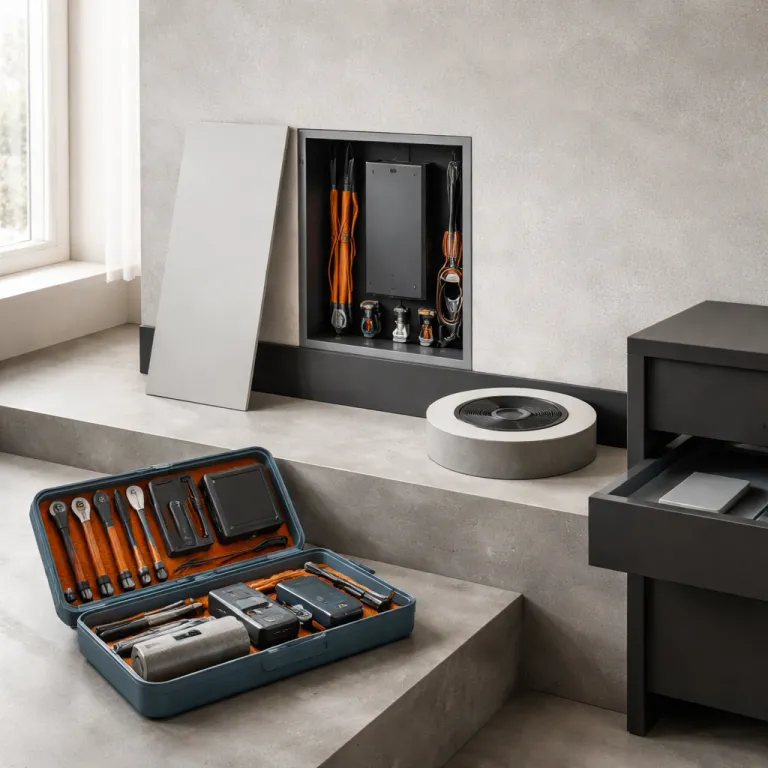
The new rule of luxury: the less you see, the more there is
Walk into a truly elevated luxury hotel today and the first thing you notice is what feels invisible. The lobby is calm, the air is the right temperature, the lighting flatters jet lagged faces, and yet no visible technology blinks or beeps in the background. This is unplugged luxury hotel technology kept deliberately out of sight, quietly orchestrating every movement so the guest feels cared for without ever touching a screen.
In the upper tier of the hospitality industry, visibility of technology is now almost inversely proportional to perceived luxury. The most advanced hotel systems have slipped behind walls and into cloud based platforms, where artificial intelligence analyses guest data about preferences, patterns and wellness needs long before travelers reach the room. For business leisure guests extending a trip, this means the hospitality design supports a genuine digital detox while still delivering the operational efficiency they expect from their office tech stack.
Luxury hospitality has entered a phase where infrastructure behaves like an invisible architect of experiences. Sensors adjust the room climate as a driven guest moves from desk to bed, while property management platforms sync with revenue management engines to release last minute suites the moment a cancellation hits. For spontaneous bookers using a premium platform, low profile hotel technology hidden behind the interface ensures that the property will feel serene even when occupancy and revenue are peaking.
Hotel Unplugged in Rotterdam is a useful early case study in this shift. The property operates with a compact room count and a fully digital model where online check in, mobile room access and smartphone controlled settings remove the traditional front desk entirely. Public information from the hotel describes a cloud based management system coordinating housekeeping, guest communication and local recommendations, illustrating how well orchestrated hospitality technology tools can make the guest experience feel both autonomous and surprisingly warm. As the founders describe it, the goal is to offer “hotel comfort with hostel freedom.”
This move toward invisible systems is not a niche experiment for a few design forward hotels. It is a structural change in the hospitality industry, driven by luxury travelers who live with constant notifications and now want their hotel stays to feel like a curated pause. For last minute platforms focused on luxury hotels, the challenge is to translate this hidden sophistication into clear, human centric language that reassures a guest without breaking the spell of unplugged calm.
Inside the invisible architect: how hidden systems choreograph your stay
Behind every apparently simple luxury room today sits a dense mesh of sensors, APIs and cloud based platforms acting as an invisible architect. Motion tracking fine tunes lighting scenes, occupancy data feeds into housekeeping schedules, and predictive maintenance tools listen for mechanical strain long before a guest hears a rattle. The result is a stay where the traveler feels that everything just works, even during a last minute booking made between airport security and boarding.
In properties that embrace unplugged luxury hotel technology kept largely out of view, staff become the visible interface while systems handle the complexity. Trade coverage in outlets such as Hotel Dive describes automation pilots where hybrid robot and human housekeeping teams shorten cleaning cycles and lift quality scores, freeing the team to focus on high touch wellness rituals and nuanced service. For a business executive turning a meeting into a long weekend, this means the room is ready earlier, the minibar is stocked to their preferences, and the spa schedule flexes around shifting calls.
Revenue management and property management platforms now talk to each other in real time, which matters enormously for last minute luxury bookings. When a suite at a Ritz Carlton city property opens because another guest cancels, artificial intelligence driven guest profiling can match that room to a traveler whose data suggests they value space, wellness amenities and privacy. On a site curating elegant last minute hotel deals in Sacramento for spontaneous premium stays, this back end choreography means the offer you see is not a random discount but a targeted opportunity aligned with your travel rhythm.
For hoteliers, the paradox is clear: unplugged luxury requires more investment in technology infrastructure, not less. Cloud based hotel platforms, from messaging tools to energy management, underpin both guest satisfaction and operational efficiency, yet the design brief is to keep every device out of sight. The most sophisticated luxury experiences now rely on hospitality design that hides speakers in ceilings, tucks screens into drawers and routes every interaction through a human who has already been briefed by the system.
This is where marketing and management strategies must evolve for the luxury hospitality segment. Instead of promoting gadgets, hotels and booking platforms should communicate outcomes: quieter rooms, more restorative sleep, smoother arrivals and departures. As a McKinsey travel and hospitality insight notes, many guests primarily remember friction rather than features, which means the winners will be those who can explain unplugged luxury hotel technology working behind the scenes in a way that reassures privacy conscious travelers while still signaling that this is the most advanced stay they will have all quarter.
From visible gadgets to silent wellness: why business leisure travelers are switching
There was a moment when luxury hotels competed on visible technology, stacking rooms with tablets, touch panels and voice assistants. That era is fading fast as luxury travelers, especially those who live on video calls, now seek a form of digital detox that does not compromise connectivity when they actually need it. For the business leisure executive, the ideal hotel will let them vanish from the grid after the final meeting while still streaming a flawless call the next morning.
Discreet luxury hotel technology, hidden behind natural materials and soft lighting, is redefining what a wellness focused stay feels like. Instead of a tablet on the bedside table, circadian lighting shifts automatically, air quality is monitored silently, and blackout blinds glide down without a visible switch. In these hotels, hospitality design teams work with neuroscientists and acoustic engineers so that the guest experience supports recovery from cognitive overload as much as it supports Instagram ready moments.
For last minute bookers, this shift changes how you read a listing on a premium platform. When a coastal property in Maryland promotes refined, elegant last minute hotel deals in Ocean City for a coastal escape, the real story may be the invisible systems that keep balconies quiet, pools uncrowded and spa slots available even at high occupancy. The hospitality industry is learning that luxury experiences are less about showing off hardware and more about curating a sequence of moments where the guest feels both held and free.
Hotel Unplugged in Rotterdam illustrates how a self service model can still feel indulgent when the design is thoughtful. Guests receive a personal link for door access, manage room settings from their own phone and move through the hotel without queues, which is particularly appealing after a delayed flight into South Holland. The Invisible Party, the design studio behind the interiors, leans into minimalism so that technology elements recede, allowing the city outside and the tactile materials inside to carry the narrative.
For last minute platforms, the implication is straightforward yet demanding. Curation must now factor in not only visible amenities but also the depth of hotel technology, from energy systems to artificial intelligence driven guest messaging, and how gracefully these tools disappear. When unplugged luxury hotel technology kept out of sight becomes the norm at the top end, any visible clutter of screens starts to read less like innovation and more like yesterday’s upgrade.
How last minute platforms should rate and surface unplugged luxury
If you are booking a luxury hotel at the last minute, you rarely see the systems that make your stay feel frictionless. Yet for a platform positioning itself as the definitive guide to luxury world hotel experiences, evaluating unplugged luxury hotel technology running quietly in the background is now as important as checking thread counts. The question is how to translate invisible infrastructure into visible trust signals that help guests choose quickly and confidently.
First, rating frameworks need to move beyond generic tech checklists and into experience based metrics. Instead of asking whether a room has a tablet, platforms should ask how fast a guest can move from curb to pillow, how quiet the corridors remain at full occupancy, and how consistently late check outs are granted without friction. On a guide to where to find luxury hotel deals at the last minute, these criteria can be expressed as clear promises about arrival flow, sleep quality and flexibility, all underpinned by cloud based property management and revenue management systems.
Second, platforms should highlight hotels where technology investments demonstrably lift both revenue and guest satisfaction without adding visible clutter. In many luxury hotels, artificial intelligence now supports demand forecasting, staff scheduling and even minibar replenishment, which protects revenue while freeing the team for more nuanced service. When the hospitality design ensures that the guest never sees a robot in the corridor yet benefits from rooms turned around markedly faster, that is a competitive edge worth surfacing in marketing copy.
Third, last minute curation should recognize that different guests want different levels of visible technology. Some driven travelers still enjoy app heavy environments, while others seek a near total digital detox where the only screen is their own phone and the only interface is a well briefed concierge. A sophisticated platform will tag properties according to these spectrums, using data from reviews and on site audits to ensure that the guest experience aligns with what was promised at the point of booking.
Finally, the luxury hospitality segment must be honest about privacy and data usage. When unplugged luxury hotel technology hidden behind walls relies on constant sensing, guests deserve clear explanations of what is tracked, how long it is stored and how it improves their stay. Reporting from Skift on traveler sentiment highlights that transparency is now a core component of perceived luxury, giving the industry an opportunity to prove that invisible systems, when governed well, can create experiences that feel both deeply human and rigorously respectful of personal space.
Key figures behind invisible technology and unplugged luxury
- Hybrid robot and human housekeeping models in high end hotels, described in Hotel Dive and similar trade publications, indicate that automation can substantially reduce room cleaning time while supporting higher quality scores, which directly improves both operational efficiency and guest satisfaction in peak periods.
- Hotel Unplugged in Rotterdam operates as a small scale, largely self service property and relies on online check in and mobile access for nearly all arrivals, demonstrating how a digital first model can maintain premium positioning while minimizing traditional front desk staffing costs.
- Across the luxury segment, only a limited number of ultra luxury properties have launched unplugged style concepts so far—industry commentary points to a small but growing cluster of notable examples—signaling that invisible technology and digital detox positioning are moving from experimental pilots to a recognizable sub category within luxury hotels.
Sources
- Hotel Dive (automation and housekeeping case studies)
- Skift (traveler sentiment and luxury hospitality trends)
- McKinsey & Company travel and hospitality insights (technology and operations analysis)