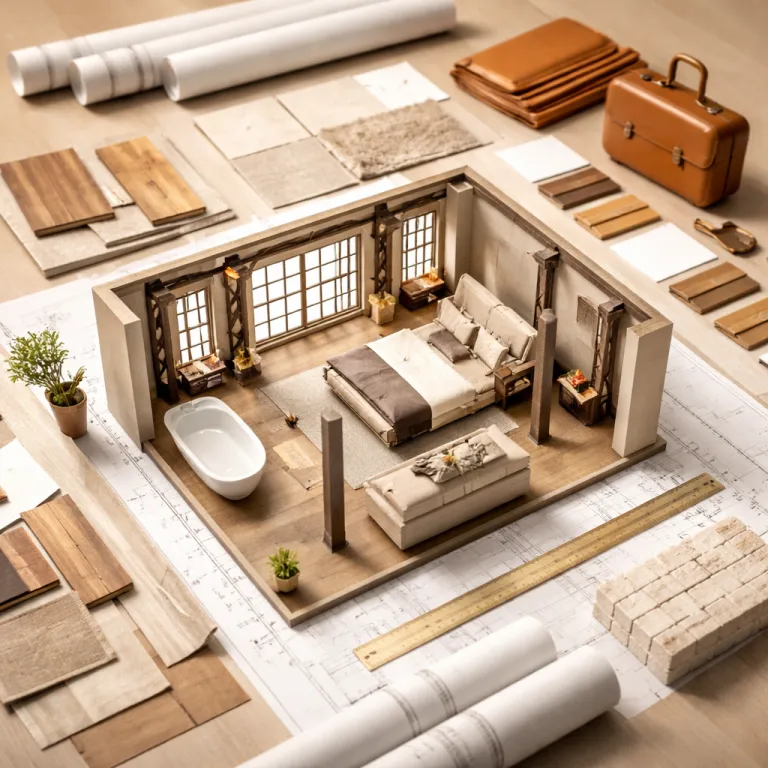
Why adaptive reuse luxury hotel design suits spontaneous travelers
Adaptive reuse luxury hotel design turns an existing historic building into a refined stay. By converting structures that once served industry, transport, or religion, architects preserve original character while layering in contemporary comfort for guests. For last minute travelers, this means a hotel with a story already written, yet still flexible enough to host your unplanned arrival.
Across hotels in America and Europe, former warehouse complexes, city hall buildings, and even disused stations are now quietly confident luxury hotels. Architects and engineers use restoration techniques that respect historic preservation rules while integrating smart lighting, acoustic insulation, and discreet climate control. This adaptive approach keeps much of the embodied carbon of the original structure while avoiding the waste of a full new build, which sustainability focused guests increasingly value.
Research on adaptive reuse by organizations such as the World Green Building Council and the National Trust for Historic Preservation shows that converting an existing hotel scale building can preserve the vast majority of its embodied carbon. Several case studies report that new works in preservation first projects can represent less than ten percent of the total structural mass, which is a powerful argument for adaptive reuse in hotels across America. When you book a last minute suite in one of these historic hotels, you are effectively sleeping inside a long term sustainability decision rather than a short term design trend.
From warehouse to river inn suite hotel
Some of the most atmospheric adaptive reuse hotels began life as working warehouses along busy waterways. On the Napa River, for example, several reuse projects have transformed former wine storage buildings into intimate river inn style properties with terraces that almost skim the water. The best of these hotels keep original brickwork, timber beams, and loading doors, then contrast them with soft textiles and sculptural lighting in each suite.
In America’s interior, the story continues with places like Hotel Grinnell in Iowa, a former 1921 school building reborn as a design forward inn that treats its gymnasium as an event hall and its classrooms as generous guest rooms. Here, adaptive reuse luxury hotel design means chalkboards become headboards, and original lockers are repurposed as mini bars, giving guests a playful sense of history. These hotels across the United States show how a single building can move from civic duty to leisure while staying on the National Register of Historic Places.
Further afield, former convent hotel conversions in cities such as San Juan turn cloistered corridors into colonnaded lounges, and monastic cells into serene suites. Many of these properties are now listed on the National Register or equivalent historic places lists, which protects their cloisters, courtyards, and stone staircases from insensitive change. When you secure a last minute room in such a suite hotel, you are stepping into a layered narrative that no ground up project can replicate today.
Stations, unions, and inducted historic hotels
Railway architecture has become a rich seam for adaptive reuse luxury hotel design, especially in former union station complexes. In several cities, the grand waiting halls of Union Station buildings now serve as lobbies where guests check in beneath restored murals and soaring barrel vaults. These hotels often sit beside active platforms, so a last minute traveler can step off a train and into a suite within minutes.
Many of these properties belong to collections such as Historic Hotels of America that celebrate inducted historic landmarks. When a hotel is inducted into such a group, or when a hotel is formally listed on a national register, it signals that both design quality and historic preservation standards have been met. You will often see plaques noting that the building is listed on the National Register of Historic Places, which is a reliable shorthand for architectural substance.
Some station conversions, such as those near Saint Louis or other rail hubs, balance family friendly facilities with grown up design. A former mail sorting room might now host an Atheneum suite style library lounge, while the old telegraph office becomes a compact bar for late arrivals. These reuse projects show how adaptive design can respect the original circulation of a station while creating new routes for guests who arrive without a booking and rely on a responsive last minute platform.
Inside the design language of adaptive reuse hotels
Adaptive reuse luxury hotel design relies on contrast rather than pastiche, which is why it feels so compelling during a spontaneous stay. Architects such as CambridgeSeven at The Liberty Hotel in Boston, Woods Bagot at Primus Hotel in Sydney, and engineering teams like Vanderweil Engineers at Sagamore Pendry in Baltimore show how to balance old and new. Their methods include restoring original masonry, vaults, and ironwork, then inserting contemporary suites as calm, insulated boxes within the shell.
In practice, this means you might sleep beneath a historic truss while enjoying silent air conditioning and precise lighting scenes. Floors that once carried factory machinery now host spa facilities, while former counting rooms in banks become intimate suite hotel layouts with generous dressing areas. Designers often leave traces of the previous use visible, such as gantry cranes above pools or numbered warehouse doors along corridors, so guests can read the building like a timeline.
For last minute travelers, these layered interiors offer an immediate sense of place that a generic hotel cannot match. Room configurations are rarely standard, because the original structure dictates where suites can fit, which leads to idiosyncratic layouts that reward flexible guests. When you secure a dropped rate on a corner suite with an odd angle or double height windows, you are benefiting from the same adaptive logic that made the reuse viable in the first place.
How to book adaptive reuse luxury hotels at the last minute
Finding adaptive reuse luxury hotel design when you are booking late requires a slightly different search strategy. Start by scanning property descriptions for phrases such as historic preservation, National Register listing, or references to a former warehouse, convent, or station. Many platforms also highlight when a hotel is part of a Historic Hotels of America style collection, which can indicate that the building is an inducted historic landmark.
Look for narrative rich names such as River Inn, Union Station Hotel, or references to local figures like Louis in the title, which often signal a story driven property. When a hotel is inducted into a heritage program, the listing usually mentions the specific register of historic places or notes that the building is listed on the National Register, which you can treat as a quality filter. Articles on timing focused platforms such as last-minute-stay.com, especially pieces like “the booking window is dead, why waiting is the new luxury strategy”, can also help you understand when these properties tend to release unsold suites.
Once you have identified a likely candidate, study the gallery for signs of adaptive reuse such as exposed brick, vaulted ceilings, or repurposed industrial details. Check room descriptions for words like suite, Atheneum suite, or family suite, which often indicate generous footprints carved from former offices or classrooms. When you finally confirm a same day reservation, you are not just securing a bed for the night; you are stepping into a carefully edited chapter of the city’s architectural memory.
FAQ
What is adaptive reuse in hotel design ?
Adaptive reuse in hotel design means converting an existing building, such as a warehouse, convent, or station, into a modern hotel while preserving key architectural elements. Industry experts and preservation bodies often define it simply as “converting existing buildings into hotels.” This approach allows owners to retain historic character, reduce construction waste, and create distinctive spaces for guests.
Why is adaptive reuse popular in luxury and premium hotels ?
Adaptive reuse is popular in luxury hotels because it combines heritage with modern luxury in a way that new builds rarely achieve. Travelers gain access to unique suites, original materials, and storied locations, while still enjoying contemporary comfort and technology. As one expert summary from a hospitality design panel notes, it “combines heritage with modern luxury” and turns the building itself into an amenity.
How can I tell if a hotel is in a historic building ?
You can usually tell by reading the property description for references to historic preservation, National Register listings, or mentions of a former use such as a bank, factory, or station. Many adaptive reuse hotels highlight their status as historic places or membership in collections like Historic Hotels of America. Photographs showing exposed brick, vaulted ceilings, or repurposed industrial details are also strong indicators.
Are adaptive reuse hotels more sustainable than new builds ?
Adaptive reuse hotels are often more sustainable because they preserve the embodied carbon of the original structure instead of demolishing and rebuilding. Studies referenced by design firms such as WATG and reports from the National Trust for Historic Preservation show that preservation first projects can limit new construction to a small fraction of the total mass. For guests, choosing these hotels supports lower material waste and the long term conservation of historic urban fabric.
Do adaptive reuse hotels suit solo last minute travelers ?
These hotels work particularly well for solo travelers booking at the last minute, because their non standard room layouts often leave a few unusual suites or compact rooms available when conventional hotels are full. The strong sense of place also means you can connect with the city quickly, even on a short stay. If you value character, narrative, and thoughtful design, adaptive reuse properties are usually worth prioritizing in your search.