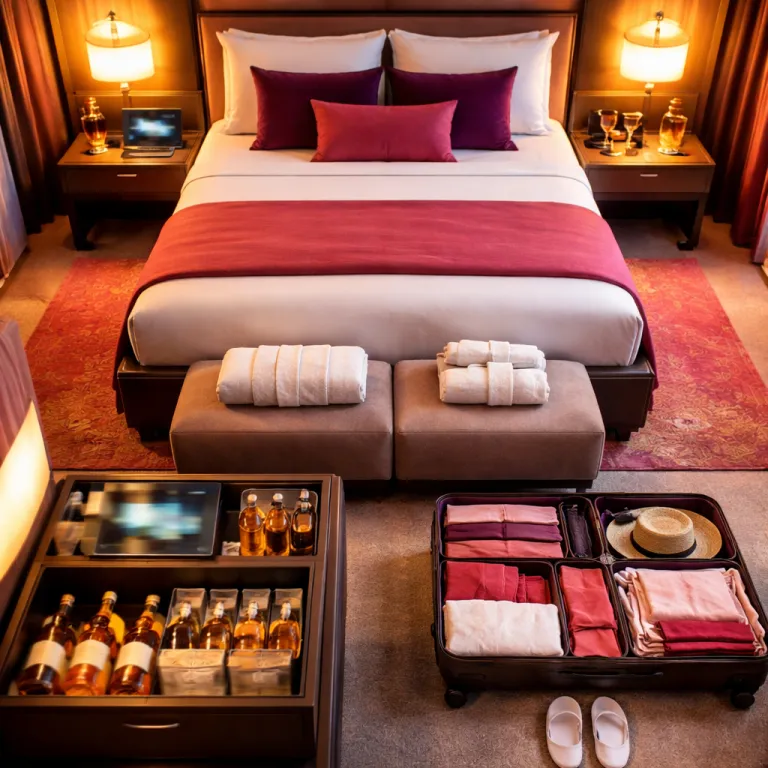
Why AI smart rooms are redefining luxury for last minute stays
Walk into a smart room in a luxury hotel at midnight, and it already feels like it has been waiting for you. The lighting softens automatically, the temperature settles around 21 °C, and the curtains glide shut while your streaming preferences appear on the television without a single tap. For couples who travel on impulse and book hotels at the last possible moment, this level of instant guest experience used to require careful pre arrival planning and long email exchanges with hotel staff.
Smart room luxury hotel AI changes that rhythm by letting artificial intelligence read your preferences from previous hotel rooms across the same group and apply them in seconds. When a luxury hotel runs an integrated smart hotel platform, your data about lighting, pillow choices, and even room service habits can follow you discreetly from Paris to Singapore. The hospitality industry is using this technology to make guests feel known without forcing them to repeat the same requests to human staff at every check in.
For last minute bookings, this is especially powerful because there is no time for manual personalization or lengthy pre arrival questionnaires. The system already understands how you like your smart rooms configured, which devices you tend to connect, and what kind of guest interactions you prefer. In luxury hospitality, that means a couple can land after a delayed flight, step into their room, and experience the same calm, tailored atmosphere they would expect from the most attentive hotels resorts after weeks of planning.
How preference learning works for first time and returning guests
Behind every polished smart room in a luxury hotel sits a web of sensors, IoT devices, and predictive analytics quietly collecting données about how guests actually live in the space. A smart hotel does not only track whether you turned the lights off ; it notes which scenes you used, what time you usually request room service, and how often you adjust the thermostat during the night. Over several stays in luxury hotels belonging to the same group, this artificial intelligence builds a profile that can be applied instantly to new hotel rooms in different cities.
For first time guests, the system starts with refined defaults based on similar guest experiences and the property’s own hospitality management strategy. The hotel industry has seen that Hotels adopting AI technologies have reported a 35 % adoption rate, while the Increase in guest satisfaction with AI integration has reached 20 %, according to recent sector surveys. That means even if you arrive at a hotel as a complete unknown, smart rooms can still feel tailored, then gradually adapt as the technology learns from your behaviour over time.
Returning guests benefit from deeper personalization that travels with them across smart hotels in the same portfolio, whether they are in urban hotels or coastal hotels resorts. A couple who booked a spontaneous weekend in a smart hotel on the Riviera might later secure refined last minute hotels in Florida for spontaneous luxury escapes and find the same lighting scenes and streaming services already configured. This continuity of guest experience, powered by smart room luxury hotel AI, turns a fragmented pattern of travel into something that feels like a single, coherent narrative of guest satisfaction.
The technologies you actually touch in an AI enabled luxury room
From the guest side, the most visible part of smart room luxury hotel AI is the interface you use after dropping your bags on the floor. Voice control, app based dashboards, and discreet tablets now sit at the centre of many hotel rooms, giving guests a single point from which to manage lighting, climate, curtains, and entertainment. In several leading luxury hotels, partners such as Vertassit provide in room voice concierge systems that let you request room service, spa appointments, or late check out without picking up a traditional phone.
These systems are not just about convenience ; they are about orchestrating every device in the room so that the guest experience feels fluid rather than fragmented. A smart hotel platform can dim the lights automatically when you start a film, adjust the temperature when motion sensors detect you are asleep, and alert hotel staff if you seem to be struggling with the controls. For couples arriving on a last minute booking, this means less time learning a new interface and more time enjoying the hospitality service they came for.
Some properties go further by integrating AI concierge services into mobile apps that remember your favourite wines, your preferred pillow type, and even your usual check in time. When you secure elegant last minute hotel deals in Vancouver or another city within the same group, the system can pre load these preferences before you arrive. The result is that guests feel as if a human attendant has briefed the entire équipe about their habits, when in reality it is the hotel industry’s most advanced technology quietly coordinating guest interactions in the background.
Invisible intelligence and the new meaning of luxury hospitality
True luxury hospitality has always been defined less by visible opulence and more by how effortlessly a hotel anticipates what a guest needs. Smart room luxury hotel AI extends that philosophy by hiding most of the technology from view, letting couples enjoy a romantic stay without feeling surrounded by screens. In some ultra luxury hotels, the concept of unplugged luxury means that the most sophisticated systems are completely concealed, with natural materials and calm interiors masking the sensors and devices that power the experience.
Robot housekeepers now handle repetitive physical tasks such as vacuuming corridors or delivering linens, allowing human hotel staff to focus on nuanced customer service and emotional intelligence. Studies in the hospitality industry show that rooms can be cleaned around 40 % faster with roughly 30 % higher quality scores when robotics support the équipe, which directly improves guest satisfaction on busy days with many last minute arrivals. For couples arriving late, this means their room is more likely to be ready on time, with fewer housekeeping delays and a higher standard of cleanliness.
Systems like LITA, a self operating AI hotel platform, coordinate building wide energy management, predictive maintenance, and even dynamic pricing to protect revenue while still leaving space for attractive last minute offers. EmpathyEyes, which develops smart glasses for staff, gives team members discreet access to live data about guest preferences without breaking eye contact or interrupting the flow of conversation. When you read a guide on how to secure exceptional last minute hotel deals in San Diego for luxury and premium stays, the hidden story is that these same technologies make such spontaneous travel viable without compromising service standards.
Maximizing your last minute stay in an AI driven luxury hotel
For couples booking at the eleventh hour, the smartest move is to treat smart room luxury hotel AI as a quiet ally rather than a novelty. Start by checking hotel websites or apps for clear descriptions of smart hotel features, such as voice activated controls, AI concierge services, and integrated entertainment systems. When you arrive, take two minutes to explore the main dashboard or tablet in the room, because that is where you can fine tune lighting scenes, privacy settings, and data sharing preferences.
Guests who are comfortable with technology can usually opt in to deeper personalization, allowing the system to remember their favourite settings across multiple hotels in the same group. If you prefer a more restrained approach, you can still benefit from core hospitality technology such as automated climate control and intelligent room service routing without sharing more données than necessary. Either way, the goal is to let artificial intelligence handle repetitive tasks so that human staff can focus on the kind of attentive guest interactions that make a romantic escape feel genuinely special.
From a practical perspective, couples should also pay attention to how hotels describe their smart rooms and hotel management philosophy. Properties that speak clearly about privacy, data protection, and the role of AI in customer service tend to deliver more consistent guest experiences over time. When you find a luxury hotel or a collection of luxury hotels that align with your comfort level, last minute travel becomes less of a gamble and more of a curated habit, supported by technology that quietly learns how to make each stay feel better than the last.
FAQ
What is a smart room in a luxury hotel?
A smart room in a luxury hotel is a hotel room equipped with AI and IoT devices for personalized experiences. In practice, this means integrated controls for lighting, temperature, curtains, and entertainment that adapt to your habits. For last minute travelers, these smart rooms remove the need for advance customization while still delivering a tailored guest experience.
How do AI concierges enhance guest experiences?
AI concierges enhance guest experiences by providing instant, personalized assistance and recommendations. In a smart hotel, you can request room service, book a table, or ask for local tips through voice commands or chat without waiting for a human operator. This frees hotel staff to handle more complex requests and in person guest interactions that require empathy and nuance.
Are smart rooms secure for guests who care about privacy?
Smart rooms are designed to be secure and use advanced security protocols to protect guest data. Reputable hotels in the hospitality industry work with specialized technology partners to encrypt communications between devices and central management systems. Guests can usually adjust privacy settings, limit data sharing, or disable certain features if they prefer a more traditional hotel experience.
Do AI powered rooms reduce the role of human staff in luxury hotels?
AI powered rooms change the role of human staff rather than eliminating it, especially in luxury hospitality. Automation handles repetitive tasks such as adjusting temperatures, routing simple requests, or coordinating housekeeping schedules, which improves time management and operational revenue. This allows hotel staff to focus on high value customer service, from thoughtful welcomes to personalized recommendations that make guests feel genuinely cared for.
How can last minute travelers make the most of smart hotels?
Last minute travelers can make the most of smart hotels by choosing properties that clearly explain their technology and guest experience philosophy. Once in the room, spending a few minutes learning the main control interface unlocks features such as custom lighting scenes, efficient room service ordering, and seamless device pairing. Over multiple stays, opting in to preference saving lets artificial intelligence remember your habits so that even spontaneous trips feel consistently tailored.