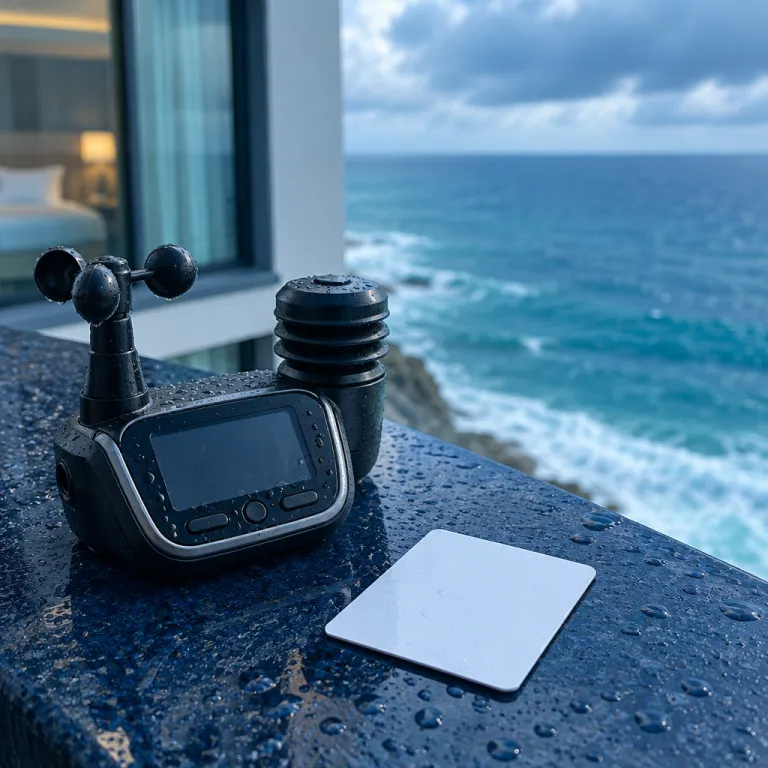
The mindset shift: letting the sky set your check in time
Weather led planning changes how you book a luxury hotel around the forecast at the last minute, because the sky becomes your real calendar. When you stop locking dates months ahead and instead watch the radar, you start to time your stay for the exact days when conditions, crowds and rates quietly align in your favour. That is when a simple decision to book late turns into the best kind of spontaneous trip.
Luxury travelers are already moving this way, using long range forecasts and historical data to decide when to book a stay rather than asking which month is best in the abstract. Travel advisors report that many guests now prefer shorter booking windows, often waiting until the last minute once they can check a reliable ten day outlook and see whether a clear sky window or a cooling trend will match their ideal holiday. One Virtuoso survey found that nearly half of high end clients now book within four weeks of travel, a pattern that rewards people who treat time as a flexible asset, not a fixed constraint.
For a solo explorer, this approach means you can still secure a five star room based on the weather in a way that feels both calculated and free. You might hold two or three potential top destinations in mind, then watch which one offers the best combination of sunshine, soft temperatures and attractive hotel deals in the specific rooms you want. When the pattern looks right, you move quickly, secure the room category you prefer and let the forecast shape the rest of the trip.
Reading the forecast: from first snow to clear sky windows
To make forecast led booking work, you need to read the weather like a seasoned concierge reads a guest profile. Certain triggers consistently create exceptional stays, and learning them helps you plan a luxury hotel stay around short notice weather patterns with far more precision than simply chasing generic travel inspiration online. The art lies in knowing which signals matter for your style of trip and which are just noise.
First snow in a mountain region can mean quieter slopes, better last minute offers on suites and a more attentive équipe in the hotel, especially midweek. A late season heatwave in a coastal city might open up last minute travel opportunities where you can reserve sea view rooms that would be fully sold in peak days, while still enjoying softer prices and more relaxed service. Clear sky windows in places like New York City or the desert around Las Vegas often coincide with cancellations, which can unlock high floor rooms or even the kind of suite upgrade explained in detail in this guide to how last minute upgrades actually work.
Autumn foliage is another powerful trigger, especially for domestic trips where you want to save domestic flight time and focus your budget on the hotel. When you see a forecast that predicts crisp air, low rain chances and peak colour over a specific three or four days in November, that is often the best time to book hotel stays in countryside properties that would feel flat in dull weather. One New England inn, for example, quietly opens a handful of top suites only when NOAA and the local leaf index both show a three day peak, and travelers who check forecasts twice a day and act quickly tend to score the most memorable rooms.
Rates, flexibility and the quiet power of last minute luxury
Once you are watching the sky, the next step is understanding how pricing behaves when you align your reservation with the forecast close to arrival. High end hotels manage revenue dynamically, which means that unsold rooms near the check in date often generate discreet travel deals that never appear in loud last minute offers campaigns. The most interesting opportunities are not the cheapest rooms, but the premium categories that suddenly become attainable when someone else cancels.
Flexible booking policies are your main tools here, because they let you hold a room while you check how the forecast evolves over the next few days. Many luxury hotels now allow changes up to forty eight hours before arrival, which means you can secure a room at the best available rate, then adjust the exact booking decision if a storm front appears or a clearer window opens. This is where a smart traveler can save without feeling like they are chasing coupons, especially on domestic routes where you can change flights with minimal friction and genuinely save domestic costs.
When you combine flexible rates with curated platforms that specialise in premium hotel deals, you start to see patterns in which top destinations quietly drop prices during shoulder seasons. A resource like this guide to experience premium hotel offers shows how to evaluate value beyond headline discounts, focusing on inclusions such as late checkout, spa access or credit that elevate a short stay. Used well, these tools help travelers score meaningful upgrades in both rooms and service, turning a simple last minute travel decision into a richer holiday.
Exclusive concierge services for forecast led, last minute stays
Concierge teams are the quiet allies of anyone who wants to sync a luxury hotel stay with the weather and still feel fully looked after. When you arrive on a shifting schedule, a strong concierge can re weave your time in the city, adjusting restaurant reservations, spa slots and transfers so that the best experiences align with the best weather hours. This is where a hotel proves its true calibre, because the service must flex as quickly as your plans.
Many concierges now monitor local conditions in real time, using that information to suggest last minute travel adjustments that maximise your stay. On a clear morning in New York City, they might move your helicopter tour earlier, then shift your gallery visits to the afternoon when clouds roll in and the light softens indoors. In Las Vegas, a concierge who understands desert weather can time your pool cabana, show tickets and late night dining so that you avoid the harshest heat while still feeling the city’s energy at its best.
For solo travelers, this personalised guidance is especially valuable, because it turns a flexible booking into a curated trip without the weight of a fixed itinerary. You can arrive with only a few anchor plans, then let the concierge fill the remaining days based on the latest forecast and your mood. As one industry insight puts it plainly, “Do luxury travelers care about weather when booking? Yes many avoid bad seasons and choose moderate climates”, a pattern echoed by concierges from London to Las Vegas who see guests shift dates as soon as the outlook changes.
Practical habits: tools, timing and reading a hotel beyond the lobby
To make this style of travel sustainable, you need a few disciplined habits every time you plan a high end stay around short notice weather. Start by using two independent forecast sources, such as NOAA and the Met Office or ECMWF, then check both at the same time each day so you notice trends rather than reacting to single updates. Over a few days, you will see whether a clear window is stabilising or whether volatility suggests you should pivot to another destination.
Historical climate data is your second anchor, because it tells you what the weather usually does in specific top destinations during the days you are considering. That context matters when you are weighing a November city break against a shoulder season beach stay, or deciding whether to prioritise domestic trips where you can move dates easily and save domestic flight change fees. Many travelers now keep a short list of three or four cities, from Las Vegas to New York City, and rotate between them based on which one offers the best combination of forecast, hotel deals and flight timings.
Once you have chosen, focus on the main content of the stay rather than just the room, because a hotel’s soul often reveals itself in the details. One reliable tactic is to quietly skip main marketing claims and instead study the beverage program, using a guide such as this analysis of what a wine list reveals about operations to judge depth and care. When you align that level of quality with a well timed forecast window and thoughtful booking, you do not just score a good rate, you secure a stay that feels precisely tuned to the weather, the city and your own sense of time.
FAQ
How far in advance should I book a luxury hotel when I am watching the forecast ?
For forecast led trips, many luxury travelers now book between three and ten days before arrival, once a reliable outlook is available. This window balances access to premium rooms with enough certainty about conditions, especially for domestic stays where flight changes are simpler. If you need specific suites or holiday dates, consider a flexible rate a few weeks out, then adjust as the weather picture sharpens.
Which destinations work best for weather driven, last minute luxury stays ?
Destinations with strong air connectivity and clear seasonal patterns tend to work best, such as coastal cities, mountain resorts and culture rich hubs like New York City or Las Vegas. These places often show distinct shoulder seasons where rates soften while the weather remains comfortable, creating ideal conditions to time a luxury hotel booking around the forecast at short notice. Look for cities that you can reach in under six hours, so you can act quickly when a favourable window appears.
How can I avoid weather disappointment on a short last minute trip ?
Use at least two forecast sources, check them at the same time daily and pay more attention to trends than to single icons. Build a flexible plan with both outdoor and indoor experiences, then ask the concierge to help you schedule each activity in the best available weather slots. If the outlook turns unstable, pivot to a destination where historical data suggests more reliable conditions for your chosen days.
Do last minute luxury bookings really offer better value than planning months ahead ?
They often do, especially when you are willing to be flexible on exact dates and open to several destinations. Revenue managed hotels adjust rates constantly, so unsold premium rooms close to arrival can generate quiet travel deals that were never available during early booking periods. The key is to focus on overall value, including inclusions and flexibility, rather than chasing the lowest headline price.
What should I tell the concierge when I arrive on a weather driven schedule ?
Share your priorities clearly, such as wanting sunrise hikes, terrace dining or museum time, and mention that you booked around the current forecast. A good concierge will immediately map those preferences against the next few days of weather and local events, then propose a plan that uses the best hours outdoors and keeps backups for sudden changes. This collaboration turns a last minute arrival into a carefully orchestrated stay without feeling rigid.