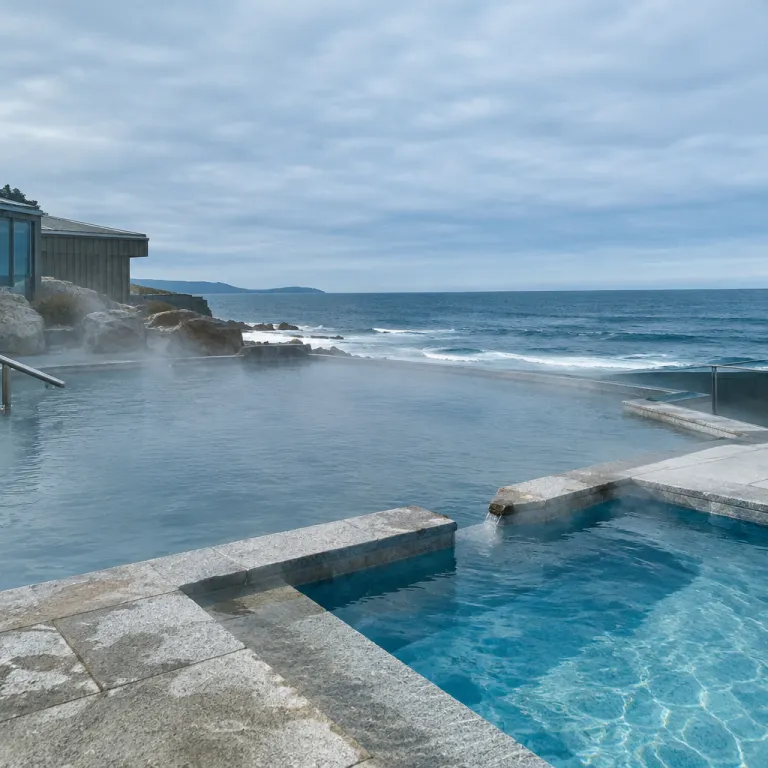
The new ritual of luxury hotel thermal bathing contrast spa
Step into a serious luxury hotel thermal bathing contrast spa and the choreography feels almost ceremonial. You move from enveloping heat to bracing cold, then into silence, while your body recalibrates in ways that feel both ancient and sharply modern. For last minute travelers, this hot and cold rhythm offers a complete reset in under ninety minutes.
At its core, contrast therapy means alternating deliberate heat exposure with controlled cold exposure to guide the body through distinct physiological phases. The Global Wellness Institute defines it clearly ; “What is contrast therapy? Alternating hot and cold exposure to boost recovery and wellbeing”. In practice, that might look like ten sauna minutes, a thirty second cold plunge, then five quiet minutes stretched on a lounger while your heart rate and breathing settle.
Each phase targets a different system and response inside the body, and luxury spas now design their circuits with almost clinical precision. Heat cold sequences in a dry sauna or steam room dilate blood vessels, increase blood flow and gently raise heart rate, while the following cold exposure constricts vessels and sharpens the nervous system. Repeat this contrast two or three times and you feel the cumulative benefits in reduced stress, deeper sleep and a lingering sense of clarity.
Hotels that take wellness seriously now treat thermal bathing as therapy rather than decoration. You will see clear guidance on recommended minutes sauna, suggested minutes cold and how many cycles suit different health profiles. Staff are trained to explain why two to three heat cold rounds are ideal, and why guests with cardiovascular issues should seek medical advice before intense heat exposure or a very cold plunge.
From side amenity to destination: how spas build full thermal circuits
The most interesting luxury hotel thermal bathing contrast spa properties no longer hide their hydrothermal areas behind a generic “spa access” line. They lead with the circuit itself, positioning the sauna, cold plunge and relaxation zones as the main reason to book the stay. For spontaneous travelers, that means a single last minute reservation can secure access to a wellness playground usually planned months ahead.
Urban hotels in global major cities now borrow from operators like Bathhouse, Othership and Therme, building layered circuits that combine infrared saunas, classic dry cabins and icy plunge pools. A typical sequence might start with ten sauna minutes under gentle infrared heat, followed by a quick walk through a snow room and a short immersion in a cold plunge pool. Rest phases in dim light lounges allow the nervous system to integrate the contrast before the next round.
Resorts with an outdoor orientation go further, threading thermal paths through gardens, lakesides or rooftops. You might move from an infrared sauna with red light panels to an open air shower, then into a natural style pool kept just above freezing for safe but intense cold plunges. Properties like the new generation of regenerative retreats in the Red Sea region, including ambitious wellness resorts such as those profiled in this in depth look at a Red Sea wellness resort, treat hydrothermal design as the anchor amenity, not an afterthought.
Behind the scenes, spa équipes work with wellness researchers to calibrate heat exposure, water temperature and recommended minutes sauna for different guest profiles. The aim is to deliver measurable recovery and health benefits, from improved blood flow to better sleep quality, without pushing the body into unsafe extremes. The best circuits feel intuitive and sensual, yet every degree of heat and every second of cold exposure has been carefully tested.
What contrast bathing does to your body and mind
Contrast bathing feels simple ; you move between hot and cold until your body hums with that post spa glow. Underneath the surface, though, a luxury hotel thermal bathing contrast spa is quietly working on your cardiovascular, immune and nervous system. For solo travelers who spend long hours on flights and screens, this is not indulgence ; it is targeted recovery.
During the heat phase, whether in a traditional cabin or an infrared sauna, your core temperature rises and blood vessels widen to help release heat. This vasodilation increases blood flow to the skin and extremities, nudging heart rate higher in a controlled way that mimics light exercise. When you step into a cold plunge or under a cold shower, vessels constrict sharply, the nervous system fires and your body mounts a strong response to the sudden change.
Over repeated cycles, this contrast therapy appears to support circulation, cellular repair and resilience, although individual responses vary and medical advice is wise for anyone with existing conditions. Some luxury spas now integrate light therapy, using soft red light or full spectrum panels to complement infrared heat and support circadian balance. Guests often report better sleep, lower perceived stress and a lingering sense of mental clarity after just thirty to forty five minutes of structured heat cold exposure.
The emerging “hotel as health lab” movement pushes this further, pairing thermal rituals with diagnostics, breath work and longevity consultations. Forward looking properties, like those examined in this analysis of how longevity centres are reshaping luxury hospitality, treat the spa as a testing ground for evidence informed wellness. For the guest, the experience still feels sensual and slow, but every sauna cold interval and every minutes cold immersion is part of a broader strategy to support long term health.
Why solo travelers are embracing thermal wellness on a whim
Solo travelers have quietly turned the luxury hotel thermal bathing contrast spa into their preferred reset button. The ritual is structured enough to feel held, yet spacious enough to allow complete solitude without awkward small talk. You can arrive late in the afternoon, move through two or three circuits and feel as if you have taken a short retreat.
Bathing culture suits independent guests because it removes decision fatigue ; the sequence of heat, cold, rest and repeat is already designed. You simply follow the signage, listen to your body and adjust the minutes sauna or minutes cold to your comfort and health needs. In communal spaces, the shared silence and soft light create a social wellness atmosphere without any pressure to perform or engage.
For frequent flyers, the physiological benefits align neatly with travel stressors. Long haul flights, erratic sleep and compressed schedules strain the nervous system, tighten muscles and disrupt blood flow. A focused session of contrast therapy, with carefully timed heat exposure and short cold plunges, can ease that accumulated stress and help reset sleep patterns before the next departure.
There is also a psychological appeal in reclaiming your body after days of digital overload. Moving between infrared saunas, cold plunge pools and quiet lounges forces you to pay attention to breath, heart rate and subtle internal response. By the time you return to your room, the combination of thermal ritual and a high calibre sleep environment — something explored in depth in this feature on the hotel sleep revolution — turns a spontaneous booking into a meaningful act of self care.
How to read a spa menu: serious thermal program or token sauna ?
Not every property advertising a luxury hotel thermal bathing contrast spa delivers more than a hot room and a tepid pool. The difference between a token sauna and a serious thermal program shows up in the details, and last minute bookers need to read those quickly. A few minutes with the spa description can tell you whether the experience will genuinely support recovery and wellness.
Start with the hardware ; look for multiple heat zones, clear water temperatures and at least one dedicated cold plunge or series of cold plunges. A single small cabin with no mention of minutes sauna, heat exposure or recommended cycles usually signals a basic facility. By contrast, a spa that lists infrared saunas, an infrared sauna cabin with red light panels, a true cold plunge pool and guidance on minutes cold is investing in real contrast therapy.
Next, scan for education and safety language, especially around heart rate, blood pressure and cardiovascular health. Serious programs reference the nervous system, blood vessels and potential risks of sudden cold exposure for certain guests, often suggesting medical advice for those with heart conditions. They also encourage guests to move from extreme cold shock toward more moderate cooling, emphasising comfort, breath and body awareness over bravado.
Finally, notice how the spa integrates light therapy, rest spaces and timing. Look for quiet lounges with soft light, clear signage about two to three heat cold cycles and staff who can explain the benefits in plain language. When a property treats its thermal circuit as a core wellness system rather than a photo backdrop, you feel it in every phase of the experience, from the first step into the heat to the last plunge into the cold.
Off season, on point: timing your last minute thermal escape
Off season is when the luxury hotel thermal bathing contrast spa truly comes into its own. Room rates soften, spa diaries open up and the weather outside often makes the idea of moving between heat and cold even more appealing. For flexible travelers, this is the moment when a dropped suite rate can unlock a full wellness weekend rather than a simple overnight stay.
In shoulder seasons, you are more likely to secure prime sauna minutes and unhurried access to cold plunge pools without the peak season crowds. Staff have more time to guide you through optimal minutes sauna, safe minutes cold and how many cycles your body might handle comfortably. The result is a more personalised form of therapy, where your response, health history and stress levels shape the sequence rather than a rigid timetable.
Weather also plays a subtle role in how your body experiences contrast therapy. Stepping from an infrared sauna into crisp outdoor air before a cold plunge feels very different in a quiet autumn city than in high summer. Many guests report that their sleep, mood and perceived stress improve more noticeably when they align thermal rituals with slower travel periods, giving the nervous system space to integrate the benefits.
From a practical standpoint, last minute booking platforms now highlight wellness forward properties, making it easier to filter for serious hydrothermal circuits. Look for language that references contrast therapy, infrared heat, light therapy and structured recovery rather than vague “spa access”. When timing, availability and a well designed thermal system align, a spontaneous reservation can deliver the kind of deep reset usually associated with a much longer retreat.
FAQ
How many hot cold cycles should I do in a hotel spa ?
Most wellness teams suggest two to three full cycles of heat, cold and rest for a balanced session. That might mean eight to twelve minutes sauna, thirty to sixty seconds of cold exposure and five to ten minutes of quiet recovery. Always adjust the timing to your own health status and how your body feels on the day.
Is contrast bathing safe if I have heart or blood pressure issues ?
Rapid shifts between heat and cold affect heart rate, blood vessels and overall cardiovascular load. Anyone with heart disease, uncontrolled blood pressure or circulatory problems should seek medical advice before using intense saunas or cold plunges. Many luxury spas offer gentler options, such as moderate infrared saunas and cooler showers, for guests who need a softer approach.
What is the difference between a traditional sauna and an infrared sauna ?
A traditional sauna heats the air around you, raising your skin and core temperature through ambient heat. An infrared sauna uses infrared heat waves that penetrate more directly into the body, often at slightly lower air temperatures but with a deep warming effect. Both can support circulation and relaxation, and many luxury spas now offer both styles within the same thermal circuit.
Can contrast therapy really improve sleep and reduce stress ?
Alternating heat exposure and cold exposure stimulates the nervous system, then encourages it to settle during rest phases. Many guests report better sleep quality, lower perceived stress and a calmer mood after structured sessions that include clear minutes sauna and short, controlled minutes cold. While responses vary, the combination of physical fatigue, parasympathetic activation and mental quiet can be a powerful support for restorative sleep.
What should I look for when booking a hotel for its thermal spa ?
Check that the spa offers more than a single sauna and a warm pool, ideally listing multiple heat zones, a true cold plunge and clear guidance on safe use. Look for references to contrast therapy, infrared saunas, light therapy and recovery spaces, as these signal a more advanced wellness system. Reviews that mention attentive staff, clear instructions and noticeable health benefits are strong indicators that the thermal program is more than a decorative amenity.
Sources
Global Wellness Institute ; Fitt Insider ; Professional Beauty UK.