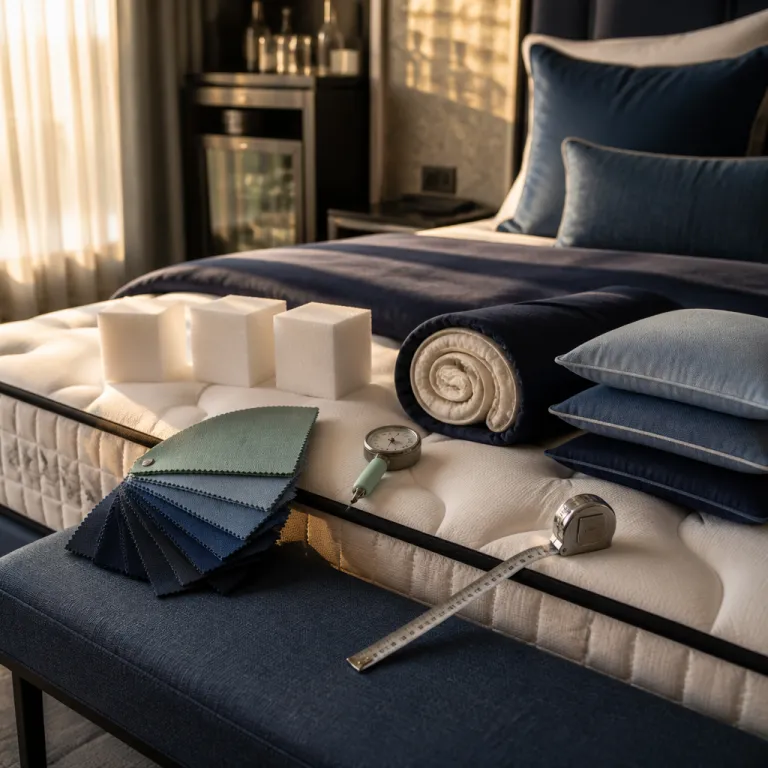
Why sleep is now the sharpest edge in luxury competition
Sleep has quietly become the defining measure of a modern luxury hotel stay. As wellness moves from spa add-on to core promise, the best hotels now treat every night as a precision-engineered rest ritual rather than a simple pause between sightseeing. For last minute travelers, that shift means a spontaneous booking can deliver a far better night’s sleep than many meticulously planned trips from a decade ago.
Across leading luxury hotels, executives have accepted a simple truth: the primary function of any room is to provide deep, restorative sleep. Industry surveys from groups such as the American Hotel & Lodging Association and STR indicate that many upscale and luxury properties are reducing or simplifying minibars, while significantly increasing investment in each mattress and in overall room comfort for rest. In the AHLA 2023 Lodging Survey, for example, more than half of full-service hotels reported trimming traditional minibar offerings, while STR’s 2018–2023 capital expenditure analyses show a marked rise in spending on custom-designed beds, premium bedding and in-room comfort systems.
That reallocation of budget is not cosmetic; it is structural, and it directly shapes your luxury hotel sleep experience when you arrive late after a long flight. Luxury hotel chains now partner with mattress manufacturers such as Simmons, Serta and Sealy to create beds designed specifically for recovery, pressure relief and temperature control. Marriott’s collaboration with Serta Simmons, for instance, has focused on motion isolation and cooling foams, while Hilton has highlighted Sealy-engineered mattresses as a key driver of guest satisfaction. As one industry explainer from a major hotel group puts it with disarming clarity: “Why are hotels focusing on mattresses? To enhance guest sleep quality and satisfaction.”
For travelers booking premium rooms at the last minute, this new focus on sleep tourism means that a good night is no longer a pleasant surprise but an engineered outcome. Guests who once prioritized a larger spa or a flashier resort pool now ask about sleep programs, blackout blinds and acoustic insulation before confirming a reservation. The hotels that answer confidently are the ones quietly winning repeat guests, higher loyalty and the most persuasive word of mouth.
The science behind a truly restorative hotel night
Behind every apparently effortless luxury sleep experience sits a dense layer of science, design and engineering. Circadian lighting systems in many new hotels shift from cool white in the morning to warm amber in the evening, gently cueing your body toward restful sleep without the harsh glare that keeps children wired. Acoustic engineers specify wall assemblies, doors and even cork underlays to dampen corridor noise so that a single slammed door does not derail an entire night of rest.
Air quality has become another quiet frontier in the luxury hotel sleep experience, especially for wellness-focused guests who travel frequently. High efficiency filtration, controlled humidity and low VOC materials all help reduce the micro irritants that fragment rest and leave you feeling foggy despite a full eight hours in bed. Temperature regulation is equally critical, with many luxury hotels now allowing guests to fine tune both room climate and mattress surface warmth for a genuinely good sleep.
Smart mattresses are moving from novelty to expectation in the upper tier of sleep-focused hotels, and they matter especially for spontaneous bookers who cannot pre-request a specific room. These beds are designed with adjustable firmness zones, subtle motion isolation and integrated cooling channels that help couples with different preferences share one mattress without compromise. For light sleepers arriving late after a delayed flight to Seattle or another busy hub, that level of control can turn a potentially restless night into a surprisingly good night of rest.
Travelers should also pay attention to how hotels talk about their sleep programs and sleep tourism credentials in reviews and on booking platforms. Properties that describe specific initiatives such as circadian lighting, acoustic upgrades and air purification usually deliver more consistent rest than those that rely on vague language about comfort. When comparing options for a spontaneous city break, pairing these cues with trusted destination guides such as this analysis of exceptional last minute hotels in Seattle can help you quickly identify which addresses are genuinely engineered for recovery.
From sleep clinics to biohacking suites ; where wellness meets the mattress
Some luxury hotels now treat sleep as a clinical-grade wellness service rather than a soft promise. At Sommerro in Oslo, for instance, the property has promoted a dedicated sleep-focused offering that draws on nerve stimulation and tailored protocols, turning a standard room into a more controlled environment for rest and recovery. The Alpina Gstaad in Switzerland has highlighted a biohacking-style program that combines technology, nutrition and spa treatments to optimize each guest’s sleep experience over several restful nights.
In the United States, Amrit Ocean Resort in Florida has built an entire wellness narrative around advanced therapies that support quality sleep and long term recovery. Hyperbaric oxygen sessions, red light therapy, dry flotation and IV treatments are offered alongside more traditional spa rituals, creating a layered approach that addresses both body and mind before guests return to their room. For couples or multigenerational groups, this means some travelers can pursue targeted wellness while others enjoy calmer, earlier bedtimes in rooms designed for quiet and darkness.
These properties sit at the sharp end of sleep tourism, but their innovations quickly filter into more mainstream luxury hotels that welcome last minute bookings. Signal-free zones, where materials naturally block Wi-Fi and mobile signals, are appearing in lounges and even in some recovery suite categories, giving guests a rare chance to rest without constant digital interruption. When you combine that with hot springs access, hydrotherapy circuits and carefully sequenced spa treatments, the result is a hotel sleep experience that feels closer to a wellness retreat than a conventional resort stay.
Travelers considering a spontaneous escape to the Caribbean or another resort region can now look for this language in property descriptions and reviews. A hotel that highlights its recovery suite options, sleep programs and wellness-led design is usually more serious about delivering restful nights than one that only promotes its bar scene. For a sense of how this plays out in practice, examine the way refined comfort at a Guadeloupe hotel is framed around calm, comfort and thoughtful room design rather than only beachfront spectacle.
Smart beds, quiet rooms and the anti screen bedroom
The most progressive luxury hotels now start their sleep strategy with the bed, then build the room outward. Smart mattresses that allow guests to adjust firmness, elevation and temperature from a bedside tablet are becoming standard in upper tier rooms, especially in brands that court wellness travelers. For last minute bookers, this means that even if you cannot choose a specific view, you can still personalize your mattress and create a tailored sleep environment on arrival.
Properties such as Equinox Hotel in New York have turned this into a signature, marketing themselves as sleep hotels for performance-minded guests who value recovery as much as rooftop views. Rooms are designed with dark, cocoon-like palettes, advanced blackout systems and near-silent ventilation so that every night’s sleep feels like a deliberate reset rather than an afterthought. Travelers who arrive jet lagged often find that they settle faster in these environments and wake with the kind of quality rest usually associated with a private residence.
The anti screen bedroom is another emerging theme in the luxury hotel sleep experience, especially in suites aimed at wellness-focused guests. Televisions are hidden behind panels, charging points are placed away from the bed and some recovery suite layouts even position desks in separate alcoves to keep work out of sight at night. Rather than feeling restrictive, these choices gently help guests wind down, encouraging reading, conversation or a final visit to the spa instead of doom scrolling under the duvet.
For spontaneous travelers, a quick scan of room photos and descriptions can reveal how serious a hotel is about this philosophy. Look for language about circadian lighting, acoustic insulation, smart mattresses and device-free zones rather than only lists of streaming services and oversized televisions. When you combine those cues with curated editorial such as this feature on how temporary chef residencies transform hotel dining, you can assemble a last minute stay that balances exceptional food, deep rest and a genuinely restorative overall experience.
How to read sleep quality like a pro last minute booker
For travelers booking at short notice, the challenge is decoding sleep quality from a screen full of thumbnails and star ratings. Start by scanning guest reviews for repeated mentions of quiet rooms, comfortable beds and restful nights, because these phrases usually signal consistent performance rather than one lucky upgrade. Pay attention to how often guests mention waking refreshed, since that is the clearest indicator of a genuinely good night rather than simply a soft mattress.
Next, look beyond generic wellness language and search for concrete details about the hotel’s approach to rest. References to specific mattress brands, pillow menus, blackout curtains, soundproofing and air purification all suggest that the property has invested in more than marketing copy. When a hotel describes its rooms as designed around sleep, with separate zones for work, play and rest, you can expect a more thoughtful layout that supports both earlier bedtimes and adults’ need for quiet.
Travelers should also weigh the trade-off between resort-scale amenities and focused sleep programs, especially when booking luxury hotels at the last minute. A large resort with multiple pools and late night venues may appeal to teenagers, but it can also generate more corridor noise and later bedtimes for lighter sleepers. By contrast, a smaller city hotel that emphasizes spa treatments, recovery suite options and structured sleep programs may deliver fewer daytime diversions but far better rest across the entire stay.
Finally, remember that wellness travelers typically spend significantly more per trip than average guests, which encourages hotels to keep refining their sleep initiatives and room design. As this feedback loop strengthens, ratings related to rest are likely to become as influential as location or breakfast in hotel review culture. For spontaneous bookers who care about recovery as much as restaurant reservations, learning to read these signals now will pay off in countless future nights of genuinely restorative sleep.
FAQ
Why are luxury hotels investing more in mattresses than minibars ?
Guest feedback consistently shows that quality sleep matters more than in-room snacks for overall satisfaction. Many luxury hotels have therefore reduced or simplified minibars and redirected that budget into custom mattresses, high thread count linens and acoustic upgrades. This shift improves hotel comfort for rest, increases loyalty and aligns with the broader rise of wellness-focused travel.
How can I check hotel mattress quality before a last minute booking ?
The fastest method is to read recent reviews and search for comments about the bed, mattress comfort and restful nights. You can also visit the hotel website or call directly to ask which mattress brand they use and whether rooms include pillow menus or mattress toppers. Properties that answer confidently and highlight their sleep programs usually deliver a stronger overall rest experience.
What makes a hotel room genuinely good for sleep ?
A strong hotel sleep experience combines several elements; a supportive mattress, blackout curtains, quiet air conditioning, effective soundproofing and controllable lighting. Rooms designed with separate zones for work and rest also help, because they keep screens and emails away from the bed. When these features are paired with spa access or simple wellness rituals, guests are far more likely to enjoy a good night of uninterrupted rest.
Are sleep focused hotels only for wellness fanatics ?
Sleep hotels and properties with advanced sleep programs are increasingly welcoming mainstream travelers, including those booking at the last minute. While some guests may use every wellness feature, many simply appreciate the quieter corridors, better mattresses and calmer room design. For anyone juggling time zones and busy schedules, those upgrades translate directly into more restful sleep.
Do famous sleep focused properties work for families with children ?
Many high profile wellness and sleep tourism properties, such as Equinox Hotel or resorts with recovery suite concepts, do cater to families, but policies vary. The key is to confirm room configurations, child-friendly spa treatments and any age limits on wellness facilities before booking. When the fit is right, guests often report that children fall asleep faster and wake better rested than in more entertainment-driven resorts.