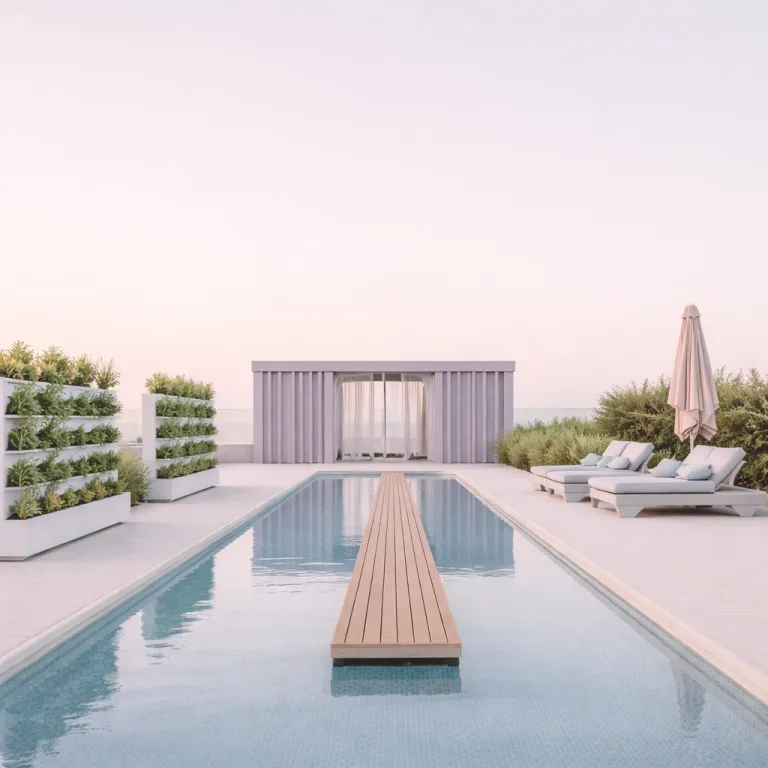
From spa break to regenerative ecosystem
A regenerative wellness luxury hotel does more than offer massages. It functions as a living ecosystem where your stay actively supports local health, healing, and environmental renewal. This shift lets solo travelers embrace stillness without sacrificing the high luxury standards they expect from serious wellness retreats.
Across leading wellness hotels, the focus moves from offsetting impact to restoring landscapes and communities. Properties working with partners such as Regenera Luxury, a consultancy specialising in regenerative hospitality frameworks, use biophilic architecture, seed oil free or minimally processed cuisine, and holistic wellness programs to align guest wellbeing with ecological repair. For last minute guests who book intuitively, this means a wellness retreat that feels both indulgent and quietly purposeful.
Regenerative wellness is defined clearly in expert circles as “a holistic approach focusing on restoring and revitalizing health and environment,” echoing principles set out by organisations such as the Global Wellness Institute and regenerative tourism researchers. That definition matters when you compare a conventional spa resort with a true regenerative wellness resort that invests in soil health, local farmers, and low impact energy systems. When you choose such a hotel for a short stay, every night you spend there contributes to something larger than your own spa wellness schedule, from funding habitat restoration to supporting local training schemes.
High tech diagnostics, deep stillness, and solo renewal
Inside a serious regenerative wellness luxury hotel, technology and stillness work together rather than compete. You might start with a wellness clinic style assessment that reads your nervous system, sleep patterns, and metabolic health before any spa treatments are proposed. That data then shapes a retreat plan that respects both your body soul balance and your need to embrace quiet time between sessions.
Flagship wellness resorts such as Lanserhof, Chenot Palace Weggis, and SHA Wellness Clinic have pioneered this medical grade approach. At Lanserhof and similar wellness clinics, guests move between diagnostics such as heart rate variability testing, body composition analysis, and sleep tracking, tailored spa wellness treatments, and movement sessions that recalibrate the senses. These hotels prove that a wellness resort can feel like a sanctuary while still offering medical expertise that solo travelers can access without committing to a long residential program.
High tech does not erase healing traditions; it refines them. Properties inspired by places like Chiva Som in Hua Hin or SHA Wellness integrate Ayurveda, Traditional Chinese Medicine, and local healing traditions with circadian lighting, sound therapy, and breathwork that calm the nervous system. The result is a wellness retreat where you can book last minute, arrive depleted, and still leave with a structured plan for ongoing health rather than a vague memory of pleasant treatments, often including follow up recommendations for nutrition, sleep hygiene, and stress management.
Rooms, suites, and spaces that work on your wellbeing
The most convincing regenerative wellness luxury hotel starts its work in the rooms and suites, not only in the spa. Design teams use natural materials, low toxin finishes, and biophilic layouts so that every hotel corridor and guest room quietly supports your wellbeing. When you stay overnight on a tight schedule, these details help your body soul connection reset even between appointments.
At properties around Lake Lucerne, such as Bürgenstock Resort and Chenot Palace Weggis, architecture frames water, forest, and sky to keep your senses engaged with the landscape. Similar thinking guides wellness resorts in Costa Rica, where open air rooms and suites, cross ventilation, and native planting bring wildlife corridors right up to your terrace. These hotels show how a wellness retreat can function as a regenerative corridor for birds, insects, and local flora while still delivering best luxury comfort, sometimes tracking indicators such as increased pollinator species or restored forest cover.
Inside, lighting and acoustics are tuned to support the nervous system rather than overstimulate it. Some hotels use circadian lighting that shifts gently through the day, while others integrate soundscapes that encourage stillness instead of background noise. When you book a last minute stay at this kind of resort, you feel the difference the moment you close the door of your room and your breathing subtly slows.
Iconic wellness destinations through a regenerative lens
Many travelers know the names Lanserhof, Chiva Som, Clinique La Prairie, and SHA Wellness Clinic from wellness magazines. What matters now is how these wellness retreats and their peers interpret regeneration rather than simple sustainability. Each hotel is rethinking how spa wellness, medical diagnostics, and local ecosystems can reinforce one another for guests who stay several nights on focused programs.
In Hua Hin, Chiva Som has long blended structured wellness retreats with Thai healing traditions and plant forward cuisine. European destinations such as Clinique La Prairie near Lake Geneva and Chenot Palace Weggis on Lake Lucerne combine medical screening with detox, movement, and emotional coaching that address the nervous system as carefully as the cardiovascular one. For solo travelers booking late, these hotels offer clear program structures, often three to seven nights, that make a short stay feel purposeful rather than rushed.
Further afield, wellness resorts in Costa Rica use reforestation projects, organic gardens, and community partnerships to give guests a tangible regenerative role. You might join a guided walk that explains how the resort’s land management supports wildlife, then return for spa treatments that use botanicals grown on site. This is where the idea of a regenerative wellness luxury hotel becomes concrete; your personal healing and the landscape’s recovery are part of the same experience, reinforced by visible projects such as tree planting, soil restoration, or local education initiatives.
Last minute strategy: how to book regenerative wellness well
For spontaneous travelers, the challenge is not finding a spa but choosing the right regenerative wellness luxury hotel at the right moment. Last minute availability often appears when a program guest shortens their stay, freeing up rooms and suites in high demand wellness retreats. That is when a flexible solo traveler can book into a level of luxury and care that might be inaccessible at peak planning times.
Start by looking for hotels that hold credible regenerative or wellness certifications, such as EarthCheck, LEED, or Global Wellness Institute affiliated standards, or that work with Regenera Luxury or similar advisory bodies. Cross check whether the resort integrates a wellness clinic, medical expertise, and nature based healing traditions rather than only a large spa menu. On last-minute-stay.com, you will also find in depth property pieces, such as the guide to experience refined comfort at Hotel Saint Georges in Guadeloupe, which help you read between the lines of marketing language.
Once you have a shortlist, contact the hotel directly to ask how their wellness resort programs adapt for shorter stays. Ask whether assessments of the nervous system and overall health can be condensed without losing depth, and whether spa wellness treatments can be sequenced to support both immediate relaxation and longer term wellbeing. The aim is to embrace stillness quickly, use each treatment intentionally, and leave with a realistic plan to continue the retreat feeling at home.
FAQ
What is regenerative wellness in a luxury hotel context?
Regenerative wellness in a luxury hotel means the property is designed to restore both guest health and the surrounding environment. It goes beyond classic spa treatments to include biophilic architecture, low impact operations, and programs that support the nervous system and overall wellbeing. Your stay contributes to local ecological and community resilience rather than simply minimizing harm.
How do regenerative wellness hotels differ from traditional spa resorts?
Traditional spa resorts focus on relaxation and beauty treatments, often as add ons to a standard stay. A regenerative wellness resort integrates medical diagnostics, holistic therapies, and environmental projects into the core of the hotel experience. Guests move through coordinated programs that align body soul balance with the rhythms of the landscape around them.
Which hotels are known for advanced regenerative wellness programs?
Several well known names illustrate this approach, including Lanserhof, Chiva Som in Hua Hin, Chenot Palace Weggis on Lake Lucerne, SHA Wellness Clinic, and Clinique La Prairie in Switzerland. Newer players such as 1 Hotel Hanalei Bay and Proper Hotels & Residences are also integrating nature focused wellness into their design and daily rituals. Many of these hotels combine spa wellness, wellness clinic assessments, and nutrition programs that support long term health.
Can a short last minute stay still be effective for wellness?
A short last minute stay can be effective if the hotel structures its wellness retreat programs intelligently. Look for properties that offer compressed assessments, targeted spa treatments, and clear guidance for what to continue once you return home. Even two or three nights can reset the nervous system when the environment, schedule, and care team are aligned.
How should solo travelers choose a regenerative wellness retreat?
Solo travelers should prioritise clarity of programs, medical or expert supervision, and an environment that supports stillness and safety. It helps to review how the resort integrates local healing traditions, nature access, and community engagement alongside spa wellness facilities. When booking last minute, direct contact with the hotel’s wellness team can confirm whether the stay will match your specific health and wellbeing goals.