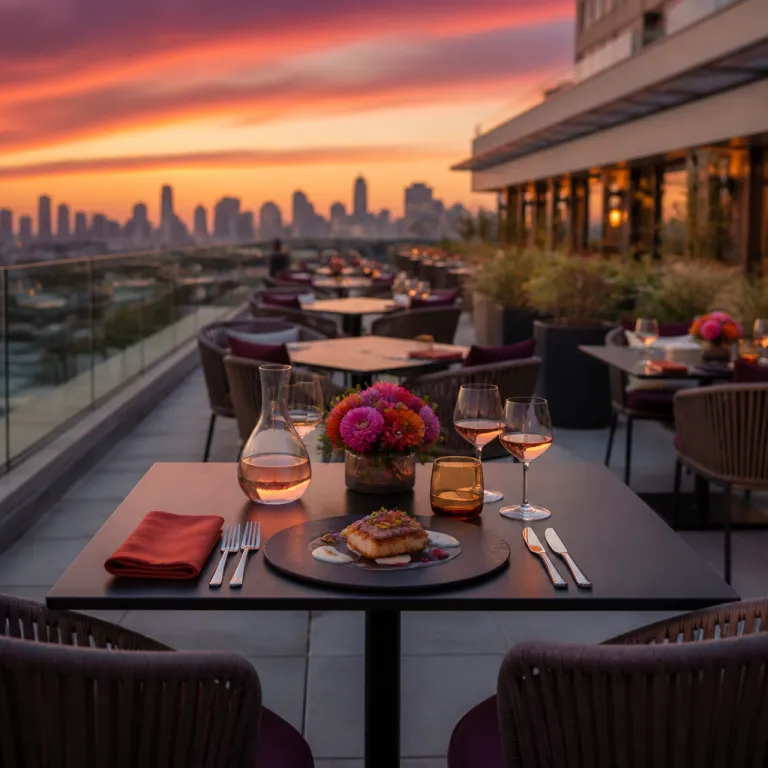
Why the restaurant now decides where you stay
For a growing number of couples, the luxury hotel restaurant dining experience is no longer a pleasant extra, it is the deciding factor. When you compare hotels on any serious booking website, the smartest move is to read the restaurant section before you even glance at the room photos, because the dining experiences now shape everything from length of stay to how often you return. This shift is especially clear on a luxury and premium booking website for last minute hotels, where the best hotel options are often filtered first by their hotel restaurants and only then by suite category.
Industry data shows that luxury hotels with top tier restaurants achieve higher average daily rates and stronger revenue per available room, which proves that hotel dining is not a side business but the engine of the property. That is why the most ambitious hotel culinary teams now recruit a culinary director with a clear vision, someone who can orchestrate every dining room, bar and terrace into one coherent story that couples can feel from breakfast to the final nightcap. When you are staying hotel side for just one or two nights, that coherence matters more than thread count, because you experience it at every meal, every drink and every small dining touches moment.
On last minute platforms, this reality becomes even sharper, since a dropped rate can suddenly make a luxury dining concept accessible that would usually sit outside your budget. The power balance has flipped, and many travelers now book a hotel primarily to secure a table at a restaurant they have been tracking for months, turning the room into a supporting act for the tasting menu. In this new landscape, the hotel restaurant is not just where you eat, it is why you book table, why you extend your stay and why you keep the phone number saved for your next spontaneous escape.
The Airelles effect and the rise of destination gastronomy
Nowhere is this kitchen first philosophy clearer than in the Airelles Palladio Venice approach, where the gastronomy is the calling card rather than a supplement to the hotel. The property opened with five distinct restaurants and bars, including Venice’s first Matsuhisa with its Nobu style Japanese culinary experiences, abc kitchen and Villa Frollo, turning the entire location into a destination for couples who plan their trip around a luxury hotel restaurant dining experience. Here, the hotel restaurant portfolio is curated with the same precision as the suites, and the dining room design, menus and ingredients are treated as core brand signatures.
For last minute travelers scrolling through a premium booking website, this kind of multi concept hotel dining ecosystem changes how you evaluate value. You are no longer comparing a single restaurant against another, you are weighing a cluster of hotel restaurants, each with its own menu, bar program and fine dining personality, against the cost of the stay, which often makes a spontaneous booking feel like a smart investment in culinary experiences. When a property like this appears at a reduced rate because someone else cancelled, the best move is often to book immediately, then call to book table times across the different restaurants before local demand fills every slot.
The Airelles model also illustrates how hotels use destination dining economics to extend the guest relationship well beyond check out. Couples might first arrive because they heard about a particular tasting menu or a wagyu focused restaurant, but they return to the same hotel restaurant months later even when they are not staying hotel side, keeping the brand present in their lives. This repeat local dining experience feeds back into the booking cycle, since many of those restaurant regulars eventually use a last minute booking website to secure a quick romantic night when a rare suite opens at the best hotel rate.
Chef driven identity and the new hotel sensory language
The most forward thinking luxury hotels now recruit Michelin starred chefs not as occasional consultants but as full creative leaders, shaping the property’s entire sensory identity. In these projects, the chef often acts as culinary director, deciding not only the restaurant menus but also how breakfast looks on the tray, which ingredients appear in the minibar and what snacks are served at the bar during late check in. This chef driven approach turns the whole hotel culinary program into one continuous luxury dining narrative, which couples can feel from the first coffee to the last glass of wine.
When you browse a serious booking website for a last minute escape, you can often spot these properties by the way they talk about their dining experiences. They highlight the Michelin star credentials of the team, the award winning cocktail list, the fine dining tasting menu and the casual restaurants with equally thoughtful menus, because every outlet is part of the same story rather than a separate operation. For travelers who care about food, this level of detail is a reliable signal that the dining best options will be found on site, making the hotel restaurant a safer bet than an unknown place in the next street.
This chef led identity also changes how couples use the property during a short stay. Instead of leaving the hotel for every meal, many guests now plan a progressive dining experience that moves from the bar to the main restaurant, then to a dessert focused lounge, turning one night into several distinct culinary experiences without ever leaving the building. When a last minute cancellation opens a room at such a place, the smart move is to book quickly, then use the phone to secure a bar stool, a counter seat near the open kitchen and a table in the main dining room, ensuring you taste the full spectrum of the hotel dining vision.
Farm to luxury table and the new ethics of indulgence
As luxury hotels compete for the attention of food first couples, the source of ingredients has become as important as the skill of the chef. At the highest tier, farm to table has evolved into regenerative gardens that feed hotel restaurants, with permaculture programs providing produce for guests and seed banks that protect local flora, turning every luxury hotel restaurant dining experience into a quiet lesson in place and season. This is not marketing language but operational reality, supported by long term partnerships with local farmers who appear by name on the menu and sometimes in the dining room.
For travelers using a last minute booking website, these details can help you separate genuine commitment from surface level green language. Look for hotel culinary teams that explain how their gardens work, how often the chef visits nearby producers and how the tasting menu changes with each harvest, because those specifics usually translate into fresher flavors and more memorable dining experiences. When you are staying hotel side for only one or two nights, you want every plate to feel like a snapshot of the location, not a generic luxury dining template that could be served in any city.
Regenerative programs also influence the economics of destination dining, since guests often return to the restaurant even when they are not sleeping in the hotel, simply to follow the seasons on the plate. This repeat restaurant business supports the gardens and the farmers, creating a virtuous circle where indulgence and responsibility reinforce each other rather than compete. If you are planning a romantic escape and see a property that combines an award winning restaurant, a serious bar program and a clear explanation of its farm partnerships, that is usually a strong sign that the dining experience will justify a spontaneous booking, especially when a last minute rate appears.
How to book last minute when food is your priority
For couples who choose hotels by their kitchens, the strategy on a luxury and premium booking website for last minute hotels needs to be precise. Start by filtering for properties where the hotel restaurant is clearly positioned as a destination, then read recent descriptions of the menus, the bar program and any Michelin starred or award winning recognition before you even check the room size. Once you have a shortlist, call the property by phone to confirm that you can book table times that align with your arrival, because a luxury hotel restaurant dining experience only works if the timing matches your stay.
When you see a compelling rate, move quickly, since the best hotel options with serious dining experiences tend to vanish fast once a cancellation hits the system. After you secure the booking, treat the restaurant reservations as part of the same process, asking about the tasting menu, any wagyu focused dishes, vegetarian options and whether the culinary director offers counter seats or chef’s table experiences that might suit a romantic night. If you are unsure how to balance room comfort with dining ambition, look for properties where the hotel dining reviews are consistently stronger than the room reviews, because that usually signals a place where the restaurant is the real star.
To deepen your planning, you can also read destination specific guides such as this piece on elevated comfort and amenities at a Cancun resort, then cross reference the insights with what you see on your chosen booking website. Remember that “Hotels as culinary destinations.”, “Emphasis on local sourcing.” and “Integration of dining and design.” are not slogans but practical filters you can apply when comparing options. As one industry summary puts it, “Luxury hotels with top-tier restaurants see higher average daily rates.” and “Luxury hotels with top-tier restaurants see higher revenue per available room.”, which confirms that when you let the restaurant guide your choice, you are aligning your instincts with the way the best properties now invest.
FAQ
Why are hotels focusing so heavily on dining experiences now ?
Hotels are focusing on dining experiences because elevated restaurants attract discerning guests, increase bookings and strengthen brand identity. Upscale hotel dining also generates higher ancillary revenue, from tasting menus to bar programs, which improves overall profitability. For couples, this means the most interesting properties often lead with their kitchens rather than their room descriptions.
How do hotel restaurants attract local diners as well as guests ?
Hotel restaurants attract locals by offering unique, high quality dining experiences that feel like stand alone venues rather than in house canteens. Strong culinary concepts, a confident bar and thoughtful design encourage residents to treat the hotel restaurant as part of their city rather than a tourist space. This local energy then benefits staying guests, who enjoy a more authentic atmosphere.
What should couples check before booking a hotel for its restaurant ?
Couples should review the restaurant’s concept, menus and chef credentials, then confirm that reservations are available for their dates. It is wise to check whether the property offers both fine dining and more relaxed options, especially for longer stays. Finally, reading recent guest feedback about the overall dining experience helps ensure the restaurant truly matches its reputation.
Do upscale hotel restaurants really improve the overall stay ?
Upscale hotel restaurants improve the stay by turning meals into highlights rather than logistical chores. When breakfast, lunch and dinner are thoughtfully designed, guests tend to spend more time on property and feel a stronger connection to the hotel’s identity. This deeper engagement often leads to repeat visits, sometimes driven more by the restaurant than by the rooms.
Is it worth booking a last minute stay just for a tasting menu ?
Booking a last minute stay for a tasting menu can be worthwhile when the restaurant is a genuine destination and the rate reflects good value. Many couples treat these stays as short culinary retreats, using the room mainly as a comfortable base between meals. If the property also offers strong bars, breakfast and casual options, the overall experience usually justifies the spontaneous decision.