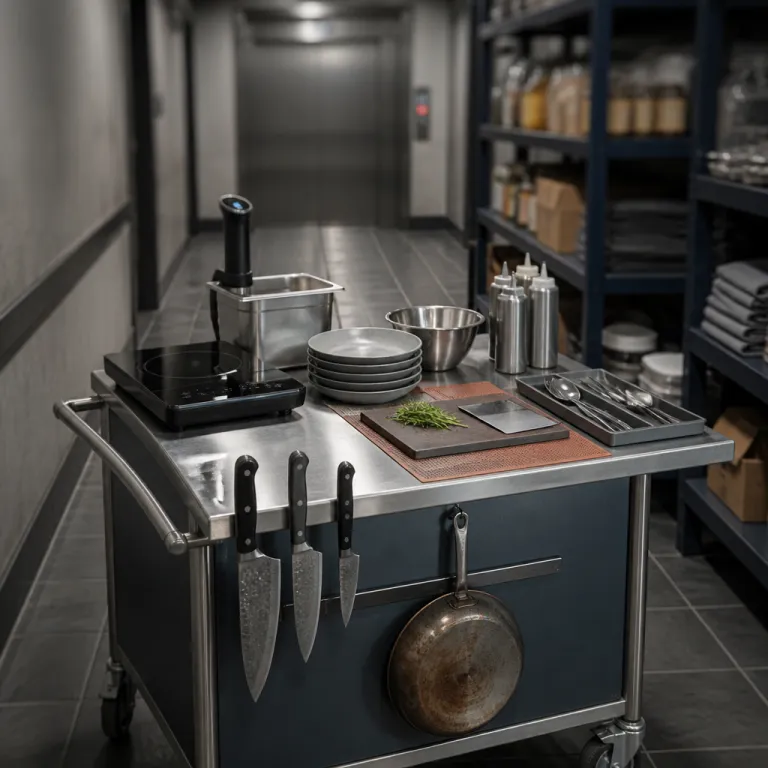
Chef residency luxury hotel dining as a new booking magnet
Chef residency luxury hotel dining in 2026 is less a passing trend than a quiet reset of how high end properties think about their restaurants. Instead of one permanent chef locked into a long contract, hotel management now invites a rotating residency of culinary leaders whose names alone can move rooms and not just tables. For last minute guests, that means a single open suite or villa can suddenly become the best reservation in the city when a guest chef moves in for a season.
A hotel chef residency is a temporary program where a guest chef leads a hotel's dining operations, and that simple format has changed how couples plan romantic escapes. Industry commentary from organizations such as the James Beard Foundation, including its coverage of hotel partnerships and visiting chefs in the 2023–2024 awards cycle, highlights hotel collaborations and rotating guest chefs as an increasingly visible force in contemporary restaurant culture. Trade data from sources like STR’s 2023 Global Hotel Study and HotStats’ 2022–2023 F&B benchmarking reports shows a growing number of named hotel chef residencies operating globally during peak seasons since 2022. When a property can announce new residencies every few months, it generates press cycles and social buzz that a single permanent chef, even a Michelin starred one, often struggles to sustain.
For travelers, the appeal is immediate and very practical. You are no longer choosing only between a room with a view or a larger suite; you are weighing whether the current residency brings a Paris trained chef, a coastal France seafood specialist, or a pop restaurant concept that turns the lobby into a temporary culinary stage. In this new landscape, high end hotel dining residencies become a decision framework where the restaurant is the reason to stay and the room simply completes the experience.
Why hotels prefer rotating residencies over permanent star chefs
Hotel owners once chased a single Michelin starred name, hoping a famous chef would anchor the restaurant for years. That model tied the entire culinary identity, and much of the food and beverage marketing budget, to one personality whose cooking might age faster than the rooms upstairs. Rotating residencies spread that risk, allowing hotels to host multiple chefs and guest chef collaborations across seasons while keeping the core team and service standards stable.
The economics are compelling for both sides. A permanent Michelin appointment can require a long contract, high fixed salary, and costly kitchen redesign, while a residency lets the hotel negotiate defined periods, clear revenue shares, and targeted promotional campaigns around each chef. Industry case studies summarized in STR’s 2023 hotel performance analyses and HotStats’ recent F&B profitability reports suggest that many residencies run for four to twelve weeks and can lift on property restaurant revenue by double digit percentages during peak periods. The same reporting on global residencies in recent high seasons shows how this model concentrates demand into bookable windows, which is ideal for a last minute booking platform that thrives on timing and availability rather than distant planning.
Rotating residencies also create more stories. Each new chef brings a different cuisine, from refined Paris style tasting menus to rustic regional France cooking or Southeast Asian food that leans into local produce, and every changeover becomes a reason for media and loyal guests to return. If you want to understand how the restaurant can become the primary reason to book, not just an amenity, read this guide on how hotel dining eclipses the room and then look at how chef in residence luxury hotel dining 2026 packages are structured around the table rather than the bed.
Three residency formats and which travelers they suit best
Not every chef residency looks the same from a guest’s perspective. Some hotels lean into an intimate chef’s table residency, where a small counter or private table becomes the stage for a single chef cooking directly in front of 8 to 12 guests each night. Others build villa or suite based residencies, turning high category rooms into private dining salons where couples can book a two night package that includes in room culinary theatre.
The third format feels closer to a festival, with a series of pop restaurant events, guest chef weekends, and collaborative menus that rotate through several outlets on the property. STR and HotStats data in their 2022–2023 F&B reports shows that these festival style residencies can drive strong non room revenue, but for last minute travelers they also create more chances to find a seat, because not every table sells out at once. If you are flexible on dates and willing to dine late, chef residency luxury hotel dining 2026 style festivals can be the easiest entry point into this world.
Couples who care about quiet conversation and precise service usually gravitate toward the chef’s table residency, where the focus stays on the food and the story behind each dish. Those who want a more relaxed, romantic setting often prefer villa based experiences, where a private terrace becomes their restaurant and the chef or chefs visit between courses. Festival residencies suit social travelers who like energy, shared tables, and the chance to meet local diners who treat the hotel as their neighborhood culinary hub.
How to find and book chef residencies at the last minute
The most frustrating truth about chef residency luxury hotel dining 2026 is that many of the best residencies never appear on major online travel agencies. Hotels announce them through mailing lists, social media, and local press, while the booking engine quietly adds a few packages that bundle rooms with set menus or chef’s table seats. For spontaneous travelers, the key is to think like a restaurant regular, not a room hunter.
Start by identifying the hotels known for residencies, then call or message the property directly to ask about current and upcoming chefs. Many teams hold back a small allocation of tables for in house guests, especially for pop restaurant nights or special guest chef collaborations, and these can open up when other travelers cancel close to arrival. A last minute booking platform that focuses on premium stays, such as the one explained in this guide to experience luxury and value with last minute hotels, can help you track these windows when a single freed suite unlocks access to a fully booked residency.
Always check residency dates before booking, because some chefs stay for several weeks while others appear only for a long weekend. Once your room is confirmed, reserve the dining experiences immediately, whether that means the main restaurant, a chef’s table, or a villa dinner, and then plan local sightseeing around your meal times rather than the other way around. This kitchen first strategy ensures that the culinary side of your stay, from the first amuse bouche to the final dessert, feels like the central event rather than an afterthought squeezed between tours.
When the kitchen chooses the destination: real world examples
Some properties already show how a strong residency can flip the usual booking logic. At The Roundtree Amagansett on Long Island, chef Dewa Wijaya is known for using coastal produce and French inspired techniques to build a cuisine that draws New York guests east for the weekend, with many couples admitting they chose the hotel because of his cooking rather than the rooms. In Mexico, UNICO 20°87° Riviera Maya has hosted chef Gerardo Vázquez Lugo at Cueva Siete, where regional food and deep respect for local ingredients turn an all inclusive stay into a serious culinary trip.
London offers another angle with Bonheur by Matt Abé, a hotel aligned restaurant that has been widely covered in the British food press and shows how a property connected dining room can become a destination in its own right. In Singapore, André Chiang’s heritage gastronomy work at Raffles Hotel Singapore demonstrates how a chef’s residency style presence, even when semi permanent, can reframe a historic property around the table rather than the lobby. These examples illustrate that chef residency luxury hotel dining 2026 is not a theoretical idea but a concrete way hotels in France, the United States, and Asia are reshaping their identities.
For couples planning a romantic escape, the lesson is simple. Let the restaurant, the chefs, and the promise of a particular table guide your search, then use last minute availability to secure the villa or suite that fits your style and budget. When the chef effectively moves in, you are not just booking a bed; you are reserving a seat at one of the most interesting culinary residencies operating anywhere in the world.
FAQ
What is a hotel chef residency and how does it work ?
A hotel chef residency is a structured period during which a guest chef temporarily leads one or more of the property’s restaurants. The chef designs menus, trains the équipe, and often hosts special events or chef’s table dinners, while hotel management handles reservations and operations. These residencies usually last several weeks to several months, giving guests enough time to plan a stay around the culinary program.
Do I need to stay at the hotel to enjoy a residency meal ?
In many cases you can book the restaurant as an external guest, especially for larger dining rooms or pop restaurant events. However, hotels often reserve a portion of tables for in house guests, particularly for intimate chef’s table experiences or villa based dinners. If the residency is the main reason for your trip, staying on property increases your chances of securing the best time slots.
How can I find the best chef residency luxury hotel dining 2026 style experiences ?
Start by following hotels known for strong culinary programs in cities like Paris, London, Singapore, and key regions of France and the United States. Sign up for their newsletters, watch social media announcements, and check specialized last minute booking platforms that highlight residencies and guest chef events. When you see a chef whose cuisine excites you, contact the hotel directly to confirm dates, table availability, and any packages that combine rooms with dining.
Are chef residency packages worth the higher price for couples ?
Typical two night packages for couples in upscale and luxury markets often range from about 650 to 900 dollars, with chef’s table pricing from roughly 125 to 400 dollars per person depending on the format, destination, and the chef’s profile. Actual prices vary significantly by city and season, but for travelers who value food as much as the room, these packages can deliver strong perceived ROI because they bundle priority reservations, curated menus, and sometimes direct interaction with the chef. If dining is central to your trip, paying a premium for a well designed residency package usually offers better value than booking the room and restaurant separately at the last minute.
What should I check before booking a last minute stay around a residency ?
Confirm the exact residency dates, the nights when the chef is personally cooking, and whether any special events or pop restaurant evenings coincide with your stay. Ask the hotel about dress codes, dietary flexibility, and how many courses to expect, so you can plan other activities and not rush the meal. Finally, secure your restaurant, chef’s table, or villa dinner reservation at the same time as your room, because tables often sell out before suites do.