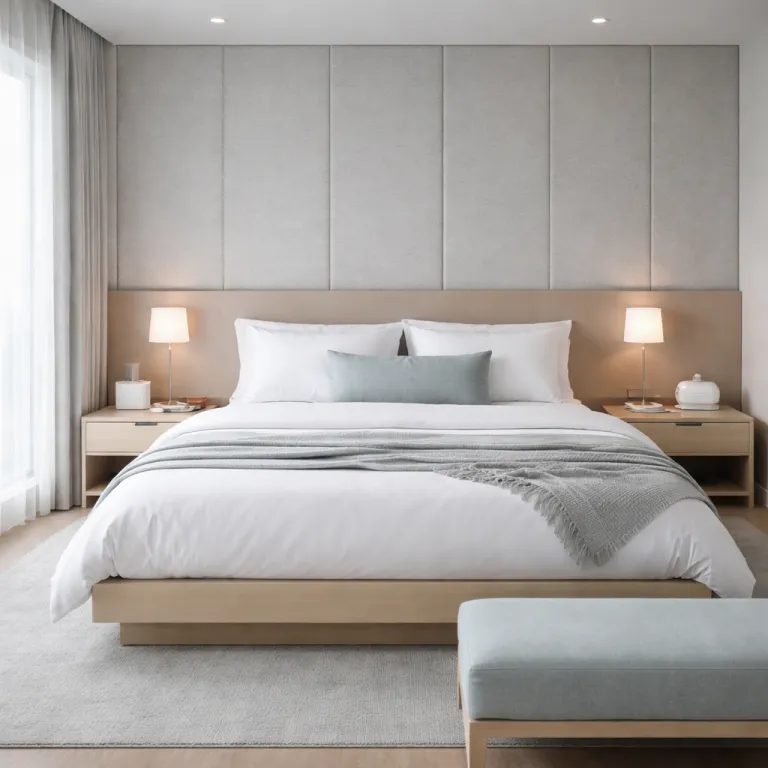
Why sleep architecture now defines true luxury hotel design
Sleep has quietly become the sharpest differentiator in any luxury hotel. For last minute travelers who book on instinct, the way a hotel sleep experience feels now matters more than the lobby sculpture or the rooftop bar. When you compare better hotels side by side, the invisible engineering behind sleep quality often explains why one stay leaves your body restored and another leaves your nervous system wired.
Across leading hotels, executives increasingly accept that guests do not just want a soft bed, they want a precisely calibrated hotel bed that delivers measurable pressure relief and spinal support. A 2023 American Hotel & Lodging Association survey on traveler preferences reported that wellness and sleep amenities rank among the top decision factors for higher income guests, which means sleep quality has shifted from pleasant amenity to booking trigger. For a business leisure guest extending a trip, the promise to sleep better can outweigh even generous loyalty points or a marginally better view.
This is where the phrase luxury hotel sleep quality design earns its weight, because it captures how architecture, materials, acoustics and rituals combine into one coherent system. A true luxury hotel now treats every bedroom as a controlled sleep lab, from the blackout curtains to the hotel grade mattresses and the way the sheets glide against your skin. When that sleep feels effortless, you are sensing years of research, not just a high thread count.
The engineered bedroom: mattresses, bedding and the science of feel
Walk into a well considered luxury hotel bedroom and you are stepping into a piece of sleep engineering. The mattress is rarely an off the shelf model, but a hotel grade design tuned for both support and pressure relief across many different body types. In the best hotels, the way the sleep feels is the result of layered foam, responsive coils and a top layer that balances plush comfort with firm alignment.
Think of the famous Westin Heavenly Bed or the way Westin Heavenly mattresses are specified, where every pillow, duvet and sheet is chosen to create a consistent hotel sleep signature. At the Ritz Carlton, hotel mattresses are often built with multi zone support, so your shoulders sink while your lower back stays aligned and your nervous system can finally downshift into deep sleep. These are not marketing gestures, they are examples of how luxury hotel brands now treat mattresses as core infrastructure rather than replaceable equipment, a shift supported by sleep research showing that medium firm, well supported surfaces can reduce back pain and improve perceived sleep quality.
Bedding completes the architecture, from the breathable duvet that regulates body temperature to the pillows that cradle your neck without collapsing. High quality cotton with a carefully chosen thread count matters less for bragging rights and more for how the sheets manage moisture and friction during the night. Many properties now pair this tactile engineering with biophilic elements, using natural materials and greenery as in the kind of rooms explored in this guide to biophilic design in luxury hotels, because calmer spaces help guests sleep better without even noticing why.
Silence, darkness and neuro-aesthetic calm: acoustic and visual design
Even the best mattress cannot rescue a hotel room that hums, flashes and leaks corridor light. Luxury hotel sleep quality design therefore starts long before the bed, with acoustic planning that keeps low frequency rumble and high frequency clatter away from your bedroom. Leading hotels now use layered wall assemblies, soft curves and upholstered panels to absorb sound so that sleep feels cocooned rather than exposed, often aiming for background noise levels around 30–35 dB, which sleep medicine guidelines associate with undisturbed rest.
Neuro-aesthetic interiors use hushed colour palettes and rounded forms to lower cortisol, which directly calms the nervous system and prepares the body for deep sleep. When you slide the blackout curtains closed in a well designed hotel, you should feel the city vanish in one gesture and your brain receives a clear signal that the day is over. Properties that emerged from adaptive reuse projects, such as former warehouses turned into suites, often excel here by using thick original walls and creative acoustic treatments, a trend explored in depth in this piece on adaptive reuse luxury hotels.
Darkness is engineered as carefully as silence, with layered lighting that lets you move from warm bedside lamps to near total blackout without harsh blue glare. Circadian aligned systems typically shift colour temperature from around 2700K in the evening to 5000K or higher during the day, echoing protocols used in clinical circadian rhythm studies so that by night the light supports melatonin production instead of fighting it. When all of this works together, hotel sleep becomes a full sensory experience where you feel held by the room, not just lying in a bed.
Circadian lighting, sleep programs and the rise of sleep tourism
Lighting has become the quiet revolution in luxury hotel sleep quality design, especially for guests crossing time zones on short notice. Circadian systems now adjust colour temperature and intensity from morning to night, mimicking natural daylight so your body clock can reset more gracefully. For a business traveler landing late and booking a last minute hotel, this can mean the difference between fragmented sleep and a functional morning.
Equinox Hotels in New York has gone further by building entire sleep optimization programs around personalised sensory environments and temperature control. Their Sleep Lab concept, described in Equinox Hotels’ own materials, uses advanced technology, soundproofing and curated evening rituals to help guests sleep better on the very first night, aligning with published sleep science that links cooler bedroom temperatures of around 18–20°C and reduced noise to deeper slow wave sleep. In their own words, "How do hotels enhance sleep quality?" and the answer is clear : "Through personalized environments, advanced technology, and circadian lighting."
This is part of a broader movement often called sleep tourism, where travelers choose hotels specifically for engineered rest rather than only for location or dining. Sleep specialists now advise properties on everything from pillow menus to sleep hygiene education, helping guests understand how to wind down even when their schedule is chaotic. For last minute bookers, filtering for hotels with serious sleep programs is becoming as rational as checking Wi-Fi speed or late checkout.
The business leisure guest: why engineered rest beats a bigger suite
For the executive who turns a board meeting into a long weekend, sleep is not a luxury, it is performance infrastructure. After a day of negotiations, your nervous system needs a bedroom that actively helps you sleep better rather than one that simply looks luxurious on a booking page. This is where the subtle details of hotel sleep architecture start to justify a higher nightly rate, even on a last minute booking.
Consider the difference between a generic hotel bed and one that mirrors the feel of a Westin Heavenly or a Ritz Carlton specification, with calibrated support, responsive foam and pillows that maintain loft until morning. Add blackout curtains that seal out city glare, a duvet that keeps your body at a stable temperature and sheets with a thread count chosen for breathability rather than marketing, and you have a room that quietly extends your productive lifespan on the road. Sleep hygiene amenities such as herbal turndown teas, gentle soundscapes and pre set circadian lighting scenes then become tools for managing stress rather than decorative extras.
When you evaluate better hotels for a combined business and leisure stay, it pays to read beyond the spa menu and into how the property talks about mattresses, bedding and sleep quality. Some of the most rewarding last minute stays happen when a cancellation opens a high category room in a property that takes sleep architecture seriously, giving you suite level rest at an unexpected rate. The same logic applies when choosing venues for major life events, where engineered rest can be as important as scenery, as explored in this guide to highly rated all inclusive wedding resorts that balance celebration with recovery.
How to read between the lines when booking last minute
When you are booking a luxury hotel at the last minute, you rarely have time to analyse architectural plans. You can, however, scan for specific signals that a hotel treats sleep quality as a design discipline rather than a slogan. Start with the basics : explicit mention of blackout curtains, hotel grade mattresses, pillow choice and temperature control in the room description.
Look for language that explains how the mattress provides support and pressure relief, not just that it is soft or king size. References to brands such as Westin, Westin Heavenly or Ritz Carlton style bedding can indicate a serious approach to hotel mattresses, especially when paired with details about foam layers, duvet weight and thread count. When a property talks about how the sleep feels in the room, describing how the bed cradles the body or how the bedroom is acoustically insulated, you are reading the fingerprints of a considered luxury hotel sleep quality design.
Finally, pay attention to guest reviews from other business travelers who mention deep sleep, quiet rooms and waking up feeling better than at home. These comments often reveal more about real world hotel sleep than any marketing copy, especially for those who book frequently and know what true high quality rest feels like. For a traveler who values both performance and pleasure, choosing hotels through this lens turns every last minute stay into an investment in your own nervous system.
FAQ
What is sleep tourism in the context of luxury hotels ?
Sleep tourism describes travel planned primarily around improving rest through specialised hotel programs. In luxury hotels, this often includes engineered bedrooms, circadian lighting, curated bedding and access to sleep specialists. Guests choose these hotels because the promise of deep sleep is as important as location or dining.
How do luxury hotels practically enhance sleep quality ?
Luxury hotels enhance sleep quality by combining hotel grade mattresses, acoustic insulation, blackout curtains and carefully layered lighting. Many now add personalised rituals, from pillow menus to tailored duvets and temperature settings that match your body preferences. The most advanced properties integrate circadian aligned lighting and soundproofing so that the entire bedroom supports restorative sleep.
Which hotels are known for serious sleep programs ?
Equinox Hotels is widely recognised for building sleep optimisation into its core brand, especially at its New York property in Hudson Yards. The company draws on contemporary sleep science to design rooms and rituals that help guests sleep better from the first night. Other luxury brands, including Westin with its Heavenly Bed concept and Ritz Carlton with its custom mattresses, also treat sleep as a defining feature.
What should I check before booking a last minute hotel for business travel ?
Before confirming a last minute booking, read the room description for details about the mattress, bedding, blackout curtains and noise control. Reviews from other business travelers that mention quiet rooms, comfortable pillows and waking refreshed are especially valuable. If a hotel explains how its sleep architecture works rather than just calling the bed luxurious, it is usually a safer choice for performance focused trips.
How can I maintain good sleep hygiene when staying in different hotels ?
Good sleep hygiene on the road starts with a consistent wind down routine, even when the bedroom changes. Aim to keep screen exposure low before bed, use the blackout curtains fully and adjust room temperature slightly cooler than during the day. Pairing these habits with a hotel that invests in sleep quality design gives your body the best chance of deep, restorative rest.