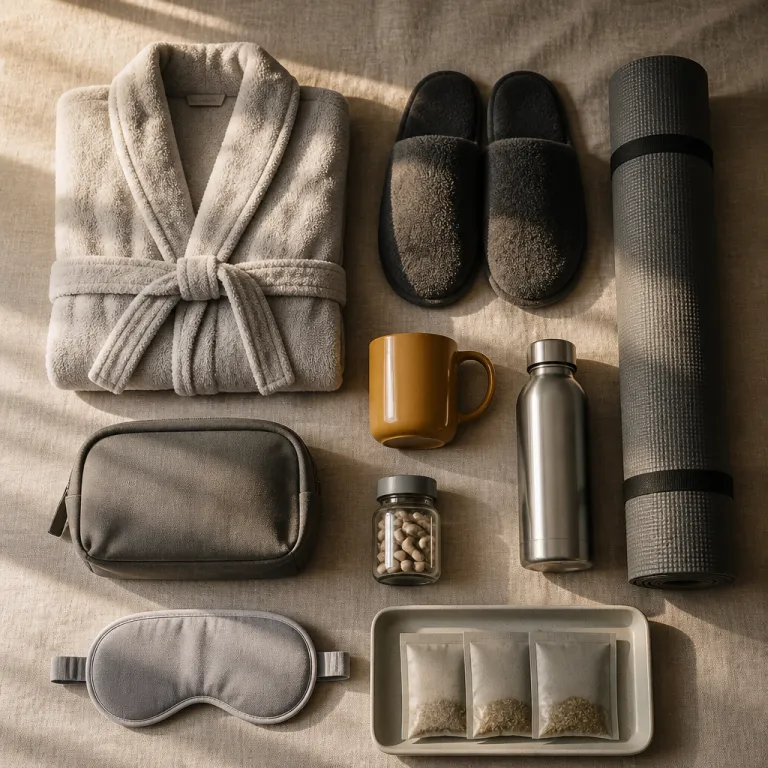
Luxury hotel wellness stay vs health retreat for spontaneous long stays
When you weigh a luxury hotel wellness stay vs health retreat, the first question is how much structure you really want. Traditional wellness retreats often lock you into fixed arrivals, strict schedules, and a minimum stay that rarely suits a last minute change of plans. Long stay guests are quietly shifting to hotels because they can extend a stay, shorten it, or pivot to another resort without penalty.
Industry data on extended stays shows that traditional hotels now capture a larger share of long term demand than dedicated retreats, and that shift is driven by comfort, flexibility, and cost effectiveness rather than pure aspiration. One research summary puts it bluntly : "Hotels offer more flexibility, comprehensive amenities, and cost-effectiveness." For a solo traveler booking a wellness journey on a Tuesday night for a Wednesday flight, that flexibility matters more than a perfectly curated but rigid wellness retreat program.
In practice, this means a guest can book a stay at a wellness resort with a serious spa, strong medical or longevity angle, and sophisticated spa treatments, then decide on arrival how deep to go. You might start with a simple spa wellness circuit and healthy dining, then add a private consultation or mind body session if the experience resonates. The key difference is that a hotel stay treats wellness as an à la carte journey, while many retreats still sell a single, all encompassing package that assumes you want every element from sunrise breathwork to late night lectures.
When a hotel becomes a wellness resort with health lab credentials
The line between luxury hotel wellness stay vs health retreat is blurring fastest where properties invest in serious health infrastructure. Some leading health focused hotels now operate more like urban clinics wrapped in resort spa comfort, with diagnostics, medical consultations, and integrated mind body programs. This is where the question arises : at what point does a hotel effectively become a wellness resort in the classic sense.
Consider the evolution of European grande dames that now host full scale wellness resorts within their walls, pairing historic palace architecture with contemporary spa resort medicine. Properties such as Brenners Park in Baden Baden, or the wellness resort complexes in Switzerland around Bad Ragaz, show how a traditional hotel can add a medical wing, a resort spa, and structured wellness retreats without abandoning flexible room night revenue. For a deeper look at how longevity centres are reshaping this space, see this analysis of the hotel as health lab and how longevity centres are rewriting luxury hospitality : https://www.last-minute-stay.com/the-hotel-as-health-lab-how-longevity-centres-are-rewriting-luxury-hospitality.
In these hotels, you still book a stay in standard rooms suites or upgraded suites, but you can bolt on a wellness journey that rivals a classic retreat. A guest might start with a basic spa wellness package, then add medical testing, body spirit coaching, and targeted spa treatments over several days. Revenue wise, the hotel balances high value wellness retreat style programs with the more predictable income from its rooms suites inventory, which is why long stay guests often find better overall value than at a standalone retreat that must price everything into a single, intensive package.
Pricing, flexibility, and the new economics of restorative luxury
From a pricing perspective, the luxury hotel wellness stay vs health retreat comparison now tilts toward hotels for many long stay travelers. Dedicated retreats typically require a minimum stay, bundle all meals, and charge a premium for their all inclusive wellness retreat structure, which can be efficient but unforgiving if you skip sessions. Hotels, by contrast, can offer long stay discounts, dynamic rates, and seasonal offers that make a three to five night wellness journey surprisingly accessible.
Research on extended stay demand shows that guests are willing to pay more per night at traditional hotels when they feel they receive comprehensive amenities and wellness experiences, and that willingness underpins the shift toward restorative luxury. Instead of chasing status driven features, travelers now look for integrated wellbeing support : in room fitness equipment, healthy dining, spa resort access, and optional medical or mind body consultations. For a deeper dive into how hotels are becoming sanctuaries for recovery first travel, this feature on the luxury hotels where burnout goes to die inside the recovery first travel movement offers a useful lens : https://www.last-minute-stay.com/the-luxury-hotels-where-burnout-goes-to-die-inside-the-recovery-first-travel-movement.
For the spontaneous solo explorer, this economic model means you can book a stay at the last minute, secure a strong rate, and then curate your own wellness retreat from the spa menu and activity schedule. You might start with daily spa treatments and light movement, then add more intensive body spirit work if your energy allows. The hotel wins by filling rooms suites that might otherwise sit empty, while you gain a wellness resort level experience without committing to a full retreat package months in advance.
Iconic wellness experiences from lake palaces to Asian sanctuaries
To understand the luxury hotel wellness stay vs health retreat shift, look at specific properties that now compete directly with classic retreats. Around Lake Lucerne in Switzerland, Palace Weggis and Chenot Palace Weggis have redefined what a lakeside palace can be, pairing Belle Époque architecture with cutting edge medical diagnostics and structured wellness retreats. Guests can arrive for a simple lake view stay, then upgrade into a full wellness journey that feels as rigorous as a clinic yet as indulgent as a resort spa holiday.
Further along the lake and across Switzerland, the wellness resort cluster around Bad Ragaz shows how integrated spa wellness can anchor an entire destination. Here, thermal waters, advanced medical teams, and extensive spa treatments coexist with golf, cultural excursions, and generous rooms suites layouts, allowing long stay guests to dial their wellbeing focus up or down. In both regions, the ability to book a stay at short notice, then choose between light spa resort relaxation or intensive wellness retreat programming, is precisely what draws flexible travelers away from fixed date retreats.
In Asia, the comparison between a luxury hotel wellness stay vs health retreat is perhaps most vivid at Chiva Som in Hua Hin, where the property operates as a dedicated wellness retreat yet increasingly collaborates with nearby resort hotels. A traveler might start with a few nights at a beach resort spa in Hua Hin, then transition into a structured wellness journey at Chiva Som once they feel ready for deeper work. This modular approach, moving between hotels and retreats around the same lake, coast, or city, reflects how wellness resorts and traditional hotels now share the same guest, rather than competing for separate tribes.
Designing the ideal three to five day last minute wellness stay
For a solo traveler comparing a luxury hotel wellness stay vs health retreat, the sweet spot often sits around three to five nights. That window is long enough to reset mind body balance, yet short enough to book spontaneously when a work project wraps early or a flight credit appears. The goal is to treat the hotel as a flexible platform for wellbeing, not a rigid camp.
A practical template starts with a calm arrival day focused on sleep, light spa wellness, and gentle movement, followed by two core days of deeper spa treatments, body spirit practices, and perhaps a medical or nutrition consultation. On the final day, you taper down with time by the pool, a walk around the lake or coast, and a clear plan for how to extend your wellness journey at home. If you are traveling with friends or family, resources such as this guide to securing premium suites without advance planning can help you book a stay that balances wellness needs with shared space and privacy : https://www.last-minute-stay.com/last-minute-family-luxury-securing-premium-suites-without-advance-planning.
Destinations with strong wellness resorts infrastructure make this format easy, whether you are in Switzerland near a lake palace, in Germany near Brenners Park, or in Thailand near Hua Hin and Chiva Som. You might start in a classic resort spa, then add a night or two at a more intensive wellness retreat if you feel called to go deeper. The point is that long stay guests no longer need to choose a single ranch style retreat or palace style hotel for their entire journey, because the market now lets you blend hotels, retreats, and wellness resorts into one coherent, last minute itinerary.
FAQ
Why are long stay guests choosing hotels over traditional health retreats
Long stay guests increasingly prefer hotels because they offer more flexibility, broader amenities, and often better value than classic retreats. You can adjust the length of your stay, change room categories, and add or remove wellness elements without losing your entire investment. For travelers who want serious wellness without a rigid schedule, that adaptability is decisive.
How do wellness hotels compare with dedicated retreats on health outcomes
Dedicated retreats still excel when you want an immersive, medically supervised program with clear health goals and minimal distractions. However, many luxury hotels now partner with medical teams, wellness consultants, and local health practitioners to offer comparable diagnostics, nutrition advice, and mind body support. The main difference is that hotels let you choose how intensively you engage with those services during your stay.
Are hotels more cost effective than health retreats for extended stays
For most extended stays, hotels tend to be more cost effective because they offer long stay discounts, flexible meal plans, and optional wellness add ons. Retreats usually bundle accommodation, food, and programming into a single rate that assumes full participation, which can be expensive if you skip sessions. When you factor in dynamic pricing and last minute offers, hotels often deliver a lower cost per night for similar or better comfort.
What should I look for when booking a last minute wellness focused hotel
Focus on properties with a serious spa, a clear wellness philosophy, and access to qualified health or mind body professionals rather than just a few massage rooms. Check whether the hotel offers in room fitness options, healthy dining, and structured wellness journeys that can be booked by the day. Finally, confirm that you can adjust or cancel individual treatments without losing your entire booking, which is crucial for spontaneous travel.
When does a wellness focused hotel effectively become a retreat
A wellness focused hotel starts to function like a retreat when it offers integrated programs with set start dates, minimum stays, and coordinated medical or therapeutic oversight. Once diagnostics, nutrition, movement, and body spirit work are bundled into multi day packages, the property crosses into retreat territory even if it still sells regular rooms suites. For many travelers, the ideal scenario is a hotel that offers both options, allowing you to move between free form days and structured retreat style experiences within the same stay.