Why engineered silence is the new status symbol for last minute luxury travelers
For many luxury travelers booking at the last minute, the most valuable amenity is no longer a bigger suite but a room where silence feels deliberately engineered. In a hospitality industry where urban noise stimulation has become the default backdrop, the properties that treat acoustic calm as a design brief rather than an afterthought are quietly defining a new segment of luxury. When you search for a luxury hotel with acoustic design, silence and quiet rooms should now sit alongside WiFi and late checkout on your personal checklist.
Noise is not a minor irritation; review analyses by J.D. Power and internal TripAdvisor and Booking.com reports consistently show that around one third of guests cite noise as a top complaint, which means roughly one in three stays is compromised before breakfast. J.D. Power’s North America Hotel Guest Satisfaction Index, for example, has repeatedly listed corridor and neighboring-room noise among the most frequent issues, while meta-analyses of public reviews on major platforms reach similar proportions. Luxury hospitality leaders have responded by treating sound as a tangible material, commissioning acoustic engineers such as Arup’s hotel specialists or consultants from WSDG to work alongside luxury hotel designers so that every corridor, door and air vent is designed to protect rest. This shift is especially relevant for business leisure travelers who land late, extend a work trip into a weekend and need quiet travel conditions that support both deep sleep and focused thinking.
Silence has become a competitive differentiator because it cannot be faked with a scented candle or a welcome drink. A true silence luxury experience depends on architecture, on the right construction materials and on a floor plan that keeps elevators, bars and service areas away from quiet rooms. When you browse a collection of independent properties on a last minute platform, the smartest move is to read between the photos and look for explicit references to acoustic design, soundproofing and room placement rather than relying on generic luxury labels.
The engineering behind quiet rooms that actually stay quiet
The most advanced luxury hotel acoustic design strategies start long before the first guest arrives, at the level of structure and shell. Acoustic engineers now specify room within room construction, where each guest room is effectively a floating box designed to isolate sound from the corridor, the floor above and the surrounding landscape. In documented projects such as the Park Hyatt Vienna or the Shangri-La at The Shard, upgraded suites use double-stud walls and decoupled ceilings to reach weighted sound reduction (Rw) values in the mid‑50s, significantly above typical city apartments. Rw is a laboratory rating that describes how much airborne sound a wall or floor can block; higher numbers indicate better isolation. This is one reason sleep focused rooms with acoustic optimization can command pricing that is around forty percent higher than standard luxury rooms in the same hotel; the silence is literally built into the walls.
Inside these quiet rooms, the details matter as much as the big moves, from asymmetric wall cavities that break up sound waves to flooring systems layered with resilient underlay that stops footstep transmission between floors. Strategic HVAC routing removes the mechanical hum that once defined modern life in city hotels, while doors are designed with triple seals and heavier cores so that late night arrivals do not disturb neighboring guests. At properties like the Swissôtel The Stamford in Singapore, upgraded glazing with high Sound Transmission Class (STC) ratings is used to reduce traffic noise to a soft background murmur; STC is a field-oriented rating similar to Rw that helps compare how effectively different window systems block sound. When you read about the materials revolution reshaping luxury hotel design, especially in guides to rammed earth, lime plaster and other natural materials, you are also reading about a new acoustic toolkit that softens both sound and light.
For last minute travelers, the challenge is translating this technical language into practical booking decisions. Look for mentions of acoustic panels, soundproofing materials and barrier systems in room descriptions, and do not hesitate to request a room away from noise sources such as elevators, loading bays or rooftop bars. A simple checklist can help: confirm window type and orientation, ask whether there are dedicated quiet floors, and check if meeting rooms or bars sit directly above or below your category. The hotels that take silence seriously will have an équipe ready with clear answers, because they have designed their interiors and public spaces around the expectation that guests will ask for quiet and will remember whether they received it.
From forest lodges to urban towers: how landscape and interiors shape acoustic calm
Silence in luxury hospitality is never only about what you block out; it is also about what you let in from the surrounding landscape. A forest lodge on the edge of the Brazil Cerrado can use the soft rustle of trees and distant bird calls as a natural soundscape, while a coastal hotel might frame the low rhythm of waves as part of its acoustic identity. In both cases, the best properties treat sound as carefully as light, using architecture and interiors to filter, frame and balance rather than simply to seal.
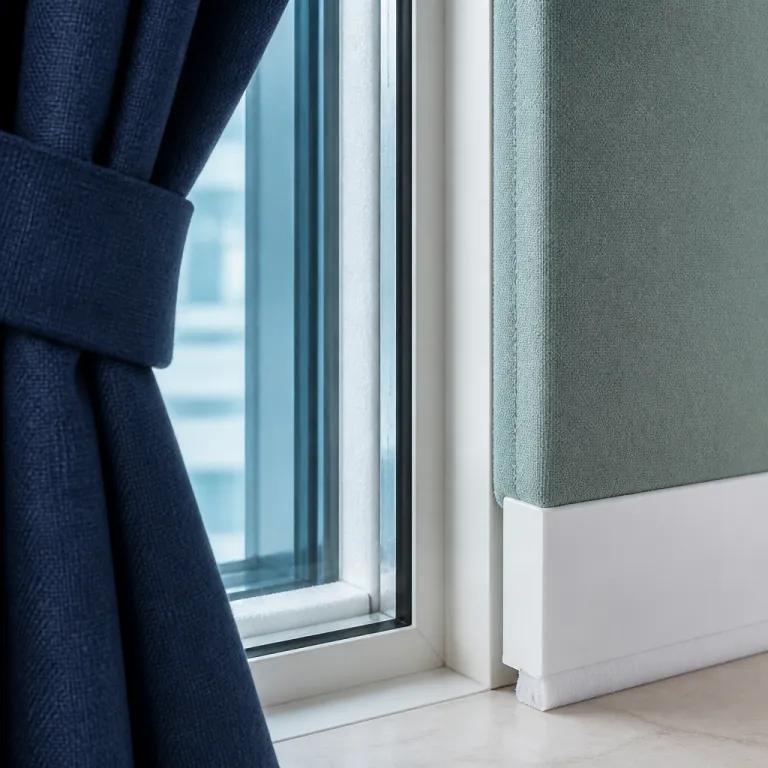
Designers working in this growing segment of quiet travel often combine whitewashed walls, warm timber and natural materials to absorb echoes and soften hard edges. Contemporary interiors with deep textiles, layered rugs and upholstered wall panels help transform large volumes of space into intimate, quiet corners where guests can read, think or take a call without competing with background noise. At retreats such as the Six Senses Douro Valley or Aman’s forest lodges, thick curtains, acoustic baffles and textured plaster are specified not only for aesthetics but to lower reverberation times so that conversations feel private. When these interiors are aligned with biophilic design principles that bring the outside in, from olive groves in the courtyard to indoor trees and water features, the result is a wellness retreat atmosphere that calms both the eye and the ear.
Urban hotels have to work harder, but the same principles apply, especially for luxury travelers arriving for a packed schedule and then extending into leisure. Some properties now designate entire floors as quiet travel zones, with stricter housekeeping hours, softer corridor lighting and reinforced doors designed to keep sound in check. At the Corinthia London, for example, upgraded glazing and insulated partitions protect spa suites from nearby traffic and event spaces, according to published design case studies. If you value silence luxury as much as a skyline view, prioritize rooms that face inner courtyards or landscaped roofs rather than traffic arteries, and study each photo carefully for clues about materials, window depth and the way interiors relate to the landscape outside.
Digital detox, analog zones and the paradox of high tech silence
A new wave of luxury travel experiences is reframing digital detox not as a slogan but as an architectural decision. Instead of asking guests to switch off devices while leaving WiFi humming in the walls, some hotels now create analog zones where digital infrastructure is deliberately absent and the space is designed for reading, writing or thinking without screens. These shielded lounges and signal free rooms borrow from Faraday cage principles, using specific materials and construction details to reduce electromagnetic interference while still feeling like part of a coherent luxury hotel interior.
The paradox is that it often takes more technology to deliver less perceived technology, especially in the upper segment of luxury hospitality where expectations are high. Active noise cancellation systems are now being explored in ceilings and headboards, emitting subtle counter frequencies that reduce low level hum from distant elevators or city traffic without adding audible sound. In parallel, lighting design is tuned to support circadian rhythms, with warm light in the evening and cooler tones in the morning, reinforcing the sense that the room has been designed as a wellness retreat rather than a generic place to sleep between meetings.
For business leisure travelers, these innovations change how you evaluate a last minute booking, because the most productive stay is not about the desk size or the WiFi speed. It is about the quality of silence between meetings, the ability to think without ambient intrusion and the option to step into a genuinely quiet lounge when your brain feels saturated by noise stimulation. When you compare properties, look for language about analog spaces, digital light discipline and acoustic engineering, and treat those details as seriously as you would a spa menu or a restaurant list.
How to book silence first on a last minute luxury platform
Securing a genuinely quiet room on a last minute stay starts with reading hotel descriptions through an acoustic lens. Properties that invest in luxury hotel acoustic design will usually mention soundproofing, acoustic panels or dedicated quiet floors, because these features help them stand out in a crowded hospitality industry. When you see references to wellness retreat concepts, forest or olive grove settings, or to architecture that frames the surrounding landscape, you are often looking at hotels that understand how space, sound and light work together.
Guest reviews are your second filter, especially when you scan for repeated mentions of quiet, silence or noise issues in both singular and plural forms. Pay attention to how guests describe interiors, whether they mention hearing corridor conversations, elevator dings or street traffic, and whether the hotel responded with practical solutions such as room moves or amenity credits. A typical five star review from a noise sensitive traveler might read, “Facing the courtyard was worth it – we slept through the night even during a wedding downstairs,” which signals that the property separates lively venues from calm rooms. If you are planning a celebration or a working escape, you can also cross reference with guides to highly rated all inclusive wedding resorts, because properties that manage complex events often have strong acoustic strategies for separating lively spaces from quiet rooms.
Finally, use the direct request as your most powerful tool, especially when booking within hours of arrival. Ask for a room away from service areas, bars and event spaces, and mention that silence is your top priority so the équipe understands you belong to the growing segment of guests who value acoustic comfort as much as any visible luxury. Hotels that have truly designed for silence luxury will recognize the question, respond with confidence and often upgrade you into a better located room when someone else cancels and your last minute plans suddenly align with their quietest space.
FAQ
Why is silence important in luxury hotels ?
Silence enhances comfort, privacy, and relaxation. For luxury travelers who combine business and leisure, a quiet room supports deep sleep, focused work and meaningful downtime in a way that no spa treatment can fully replace.
How do hotels achieve soundproofing ?
Hotels achieve effective soundproofing through materials, design, and technology. Room within room construction, acoustic panels, insulated doors and carefully routed mechanical systems all work together to keep unwanted sound out of guest spaces.
What materials are used for soundproofing ?
Acoustic panels, tiles, and barrier systems are common, often combined with resilient channels, mineral wool insulation and laminated glass. Many luxury properties now layer these technical components with natural materials such as timber, dense fabrics and textured wall finishes that absorb echoes and soften overall acoustics.
Do all luxury hotels prioritize silence ?
Many do, but approaches vary. Some focus on visible amenities and views, while others treat acoustic comfort as a core part of their brand, so it pays to read descriptions and reviews carefully.
Can guests request quieter rooms ?
Yes, preferences can usually be accommodated. When you book, especially at the last minute, specify that you want a room away from elevators, bars and event spaces, and repeat the request at check in so the team can match you with the best available option.