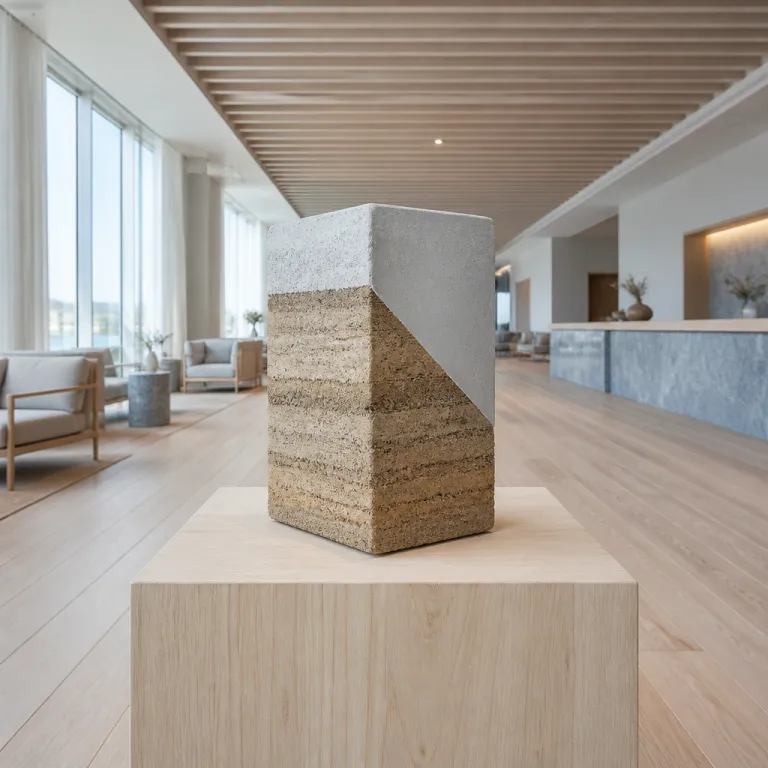
Material honesty as the new language of luxury
Walk into a truly forward-thinking luxury hotel and the first impression is not the chandelier, but the walls. Natural materials now define contemporary luxury hotel design, with rammed earth, lime plaster, and reclaimed timber replacing anonymous drywall and glossy veneers. For guests who book on instinct, these tactile surfaces instantly signal that the property has been carefully curated for character rather than mass appeal.
Luxury hotel designers and their construction teams are leading a quiet materials revolution, combining ancient building techniques with modern interior design to create calm, breathable spaces. A 2023 survey by Virtuoso, the luxury travel network, reported that roughly 80% of upscale travelers say they can immediately spot a hotel designed for mass appeal; properties using natural materials stand out the moment a guest opens the room door. This shift in hotel design is not about rustic nostalgia; it is about material honesty, where every surface feels natural, performs well, and supports a more sustainable guest experience.
Rammed earth walls, lime plaster finishes, and reclaimed stone floors change how hotel interiors age and how guests feel in the rooms. A rammed earth hotel interior carries thermal mass that can cut heating and cooling energy use by roughly 30% in suitable climates, a figure echoed in guidance from the U.S. Department of Energy on high-mass buildings, while lime plaster allows walls to breathe and regulate humidity. When you check into luxury hotels that embrace these materials, you notice quieter guest rooms, softer lighting on textured surfaces, and a more grounded experience that feels closer to the local landscape than to a generic global template.
From renders to reality: textures that age, breathe, and perform
The most interesting natural materials in luxury hotel design rarely look perfect in a digital render, yet they feel extraordinary in person. Lime plaster, rammed earth, and clay-based finishes carry subtle imperfections that catch the light differently throughout the day, giving hotel rooms a living quality that flat painted walls cannot match. These materials help luxury hotels move away from shiny sameness and towards interiors where every surface tells a local story.
At COMO Le Beauvallon on the Bay of Saint-Tropez, lime plaster walls and stone floors create a quiet, almost residential hotel interior that makes large spaces feel intimate. Zannier Île de Bendor, a private island project in the Mediterranean, is being reshaped around natural materials, with guest rooms planned as low-key sanctuaries rather than glossy showpieces. Both hotels show how carefully selected finishes can make large design-led properties feel like private homes, even when you arrive as a solo guest on a spontaneous booking.
A growing number of case studies back this up. At the Six Senses Douro Valley in Portugal, for example, the design team combined existing stone walls with clay plasters and reclaimed timber; post-renovation monitoring reported double-digit reductions in energy use for climate control compared with the pre-refurbishment baseline, alongside higher guest satisfaction scores for comfort. Biophilic architecture, which integrates natural light, greenery, and organic materials, is becoming standard in eco-conscious luxury hotel design. If you want to go deeper into how the best rooms bring the outside in, our guide to biophilic design in luxury hotels explains how natural materials and daylight work together to improve guest experience.
The acoustic dimension: designing silence with living materials
Silence has become one of the most underrated forms of luxury in hotels. Natural materials such as rammed earth, cork, and dense timber absorb sound differently from plasterboard, changing how guest rooms and shared spaces feel even when the hotel is full. When you check into a luxury hotel that has invested in acoustic design, the first night’s sleep often tells you more than any marketing line.
New eco-friendly materials are pushing this further, with mycelium-based acoustic panels and cork underlays now appearing in high-end hotel design. Mycelium, the root structure of mushrooms, can be grown into panels that dampen noise while remaining lightweight and renewable, and these panels are starting to line ceilings in design hotels that care about both energy performance and guest experience. Algae-based bioplastics and flooring made from reclaimed agricultural waste are also entering hotel interiors, proving that eco-conscious choices can feel luxurious rather than worthy.
For travelers who arrive tired, the difference between a noisy hotel room and a quiet one is non-negotiable. Our feature on sleep architecture in luxury hotels explores how materials, lighting, and layout combine to engineer rest. When you scan photos of luxury hotels or boutique hotels before you book, look for thick walls, fabric-heavy spaces, and visible natural materials; these clues often indicate that the hotel interior has been designed for acoustic comfort, not just for Instagram.
Biophilic calm, thermal mass, and measurable wellbeing
Natural materials do more than look good; they change how your body responds to a space. Rammed earth walls and thick stone floors hold thermal mass, smoothing temperature swings and reducing the need for aggressive air conditioning in guest rooms. Studies cited by outlets such as the Los Angeles Times and the U.S. Department of Energy suggest that this kind of thermal mass can deliver energy savings of around 25–30% in well-designed buildings, which guests feel as a more stable, less mechanical climate in the room.
Lime plaster and clay-based finishes allow walls to breathe, regulating humidity and reducing that sealed-box sensation many travelers associate with older luxury hotels. One expert summary from the Getty Conservation Institute describes rammed earth as “a construction technique using compacted soil to create walls” that “offers breathability, durability, and a natural finish” while supporting “sustainability and unique aesthetics in architecture.” These properties matter for eco-conscious travelers choosing between two available rooms at the same price, because sustainable materials directly influence air quality, comfort, and long-term durability.
Biophilic design links these material choices with daylight, greenery, and views, creating hotel spaces that support circadian rhythms and mental calm. When a hotel room opens window panels fully, lets in cross-ventilation, and frames local landscapes rather than parking lots, the guest experience shifts from functional to restorative. For travelers making quick decisions, checking photos for operable windows, visible natural materials, and layered lighting is one of the best rapid tests of whether a hotel design will genuinely support rest.
How to read a room: last minute checks for material led stays
Booking at the last minute does not mean surrendering to generic design. With a few targeted checks, you can quickly identify which hotels are part of the natural materials luxury hotel design movement and which are still relying on cosmetic upgrades. Start by scanning photos of guest rooms and public spaces for textured walls, visible stone, timber ceilings, and floors that look more like reclaimed wood than vinyl.
Next, read the property description for clues about sustainable materials, eco-friendly construction, or partnerships with local artisans and material suppliers. Hotels that talk openly about rammed earth, lime plaster, or reclaimed materials usually have a deeper sustainability strategy than those that only mention low-flow showers or towel reuse. When you compare luxury hotels, pay attention to whether the hotel interior feels rooted in the local environment or could be anywhere in the world.
Some of the most interesting examples sit far from the usual city circuits, from eco-conscious retreats in Costa Rica to Mediterranean properties on a private island. Our curated guide to refined adults only escapes highlights several luxury hotels where natural materials, quiet lighting, and thoughtful hotel design define the stay. For solo travelers who value serendipity, the most memorable last-minute hotel room is often the one where a cancellation opens the door to a material-rich space you might never have selected at full price.
FAQ
What is rammed earth and why are hotels using it ?
Rammed earth is a construction technique where layers of compacted soil are pressed into formwork to create solid structural walls. Luxury hotels use it because the walls provide excellent thermal mass, reducing energy demand for heating and cooling while delivering a natural, textured finish. The result is a quieter, more stable interior climate that guests immediately feel when they enter the room.
How does lime plaster improve the guest experience ?
Lime plaster is a breathable wall finish that allows moisture to move through the surface instead of trapping it. In hotel rooms this helps regulate humidity, reduces the risk of condensation, and creates a soft, matte texture that works beautifully with warm lighting. Guests often describe these rooms as feeling fresher and more comfortable, especially in warm or coastal climates.
Are natural materials always more sustainable in hotels ?
Natural materials such as rammed earth, reclaimed wood, and stone can significantly reduce a hotel’s embodied carbon when sourced responsibly. They also tend to last longer and age better than synthetic finishes, which lowers replacement frequency and waste. However, true sustainability depends on local sourcing, responsible extraction, and how the materials are combined with efficient systems and thoughtful design.
How can I tell if a hotel really uses natural materials before I book ?
Look closely at photos for textured walls, visible grain in timber, and stone or terrazzo floors rather than uniform vinyl. Read the hotel description for references to specific materials, restoration work, or collaboration with local artisans and sustainable architects. Reviews that mention air quality, quiet rooms, and a calming feel often indicate that natural materials and good acoustic design are in play.
Do natural materials change how a hotel room sounds and feels ?
Yes, dense materials such as rammed earth, solid timber, and cork underlays absorb and diffuse sound more effectively than thin partitions. This can make guest rooms and corridors noticeably quieter, especially in design-led hotels that also use mycelium acoustic panels or heavy fabrics. Many travelers report deeper sleep and a more grounded feel in these spaces, even when the property is fully booked.