Grand hotel revival Europe luxury 2026 as a family trend
Across Europe, a grand hotel revival Europe luxury 2026 movement is reshaping how families think about last minute stays. Restoration architects and hotel owners are investing heavily in heritage properties, because travelers seek unique, authentic experiences. For parents used to compact city hotel options, these reborn addresses feel like a return to an era when space and service defined true luxury.
Historic hotels are being carefully set within old town quarters, lakefront promenades and island palazzi, then paired with modern luxury comforts that work for children and grandparents alike. The trend is not about nostalgia alone ; it is about creating hotels resorts that can host multi generational trips with ease, from interconnecting rooms suites to generous suites private terraces. For families booking through a premium website at the last minute, this grand hotel revival Europe luxury 2026 wave means that a cancelled reservation can suddenly unlock a palatial floor rather than a standard room.
Data from European hotel associations shows that the number of historic hotels restored has already reached dozens across the continent, and the average occupancy rate increase is significant. These hotels offer a persuasive alternative to a newly built resort, because every corridor and staircase carries a story that children can feel and parents can explain. When a heritage property reopens after a multimillion euro opening phase, the emotional pull of its history often justifies a nightly rate that sits above nearby luxury hotels with less character.
Identity resurrections in Venice, County Durham and beyond
The most compelling examples of grand hotel revival Europe luxury 2026 are not simple refurbishments, but identity resurrections. In Venice, the legendary Hotel Danieli is being transformed into a Four Seasons hotel, with Venetian Gothic façades and interiors designed by Pierre Yves Rochon to respect every arch and fresco. This hotel will reopen as a city hotel that feels both cinematic and practical for families, with rooms suites configured to handle strollers, luggage and late night room service without sacrificing atmosphere.
Nearby, Airelles Palladio Venice is restoring a sixteenth century palazzo complex as a waterfront property that will feature frescoed salons, cloistered gardens and a spa wing that balances wellness rituals with family friendly pools. Up in County Durham, Rockliffe Hall is undergoing a multimillion pound transformation that turns an already respected resort into a northern English social hub, where the golf course, spa and dining venues are matched by new suites private enough for longer family stays. For last minute travelers scanning a booking website, these grand hotels stand out because an unexpected opening can mean a stay in a historic wing that usually sells out months ahead.
Families weighing these options against contemporary hotels in cities like Paris or Milan quickly see why the heritage premium holds. A modern seasons hotel or mandarin oriental property might offer flawless service and a sleek rooftop bar, yet the reborn palace across the square carries centuries of hospitality in its walls. When you compare last minute premium stays, as explored in guides to unlocking exceptional last minute hotel deals for luxury and premium stays, the revived grand hotels often command higher rates, but they also deliver a richer narrative for every member of the family.
Space, suites and gardens designed for long family stays
One reason the grand hotel revival Europe luxury 2026 trend resonates with families is simple ; these properties were originally designed for guests who stayed weeks, not nights. Corridors are wide, ceilings high, and rooms large enough to accommodate trunks, governesses and entire wardrobes, which now translates into flexible layouts for cots, extra beds and play corners. Where a new build resort might squeeze in as many keys as possible, a historic property often retains fewer but larger rooms suites that feel like small apartments.
At Lake Como, for example, a restored palace hotel offers suites private salons, lake facing balconies and interconnected residences that work beautifully for parents, teenagers and grandparents traveling together. A seasons resort on a Greek island might match that with impeccable service, yet the lakeside palace carries a sense of permanence that modern luxury alone cannot replicate. When a last minute cancellation appears on a booking website, a family can suddenly trade a standard city hotel room for a multi room suite with frescoed ceilings and a view over formal gardens.
These hotels resorts also tend to sit within extensive grounds, which matters when children need to run after a long flight. Lawns, woodland paths and lakeside promenades become informal playgrounds, while the spa and wellness areas will offer quieter corners for adults to decompress. For families used to urban luxury hotels with compact footprints, the sheer amount of space in a revived grand property can feel like an upgrade that justifies the premium, especially when the hotel offers thoughtful touches such as early check in for red eye arrivals or late check out after a long lunch.
Material authenticity and the heritage premium
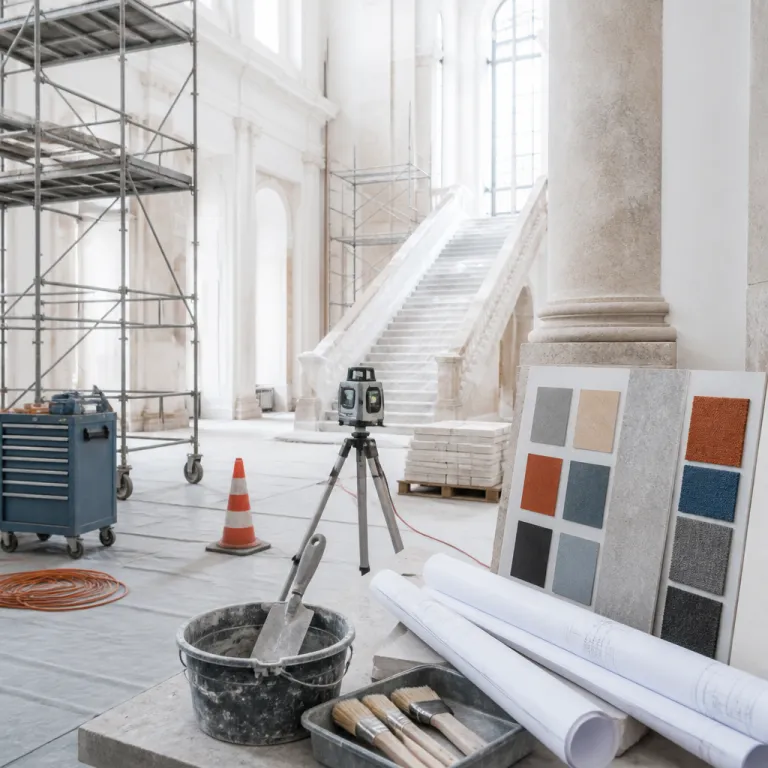
The financial logic behind grand hotel revival Europe luxury 2026 is rooted in material authenticity as much as in storytelling. Restoration architects are bringing back lime plaster walls, terrazzo and marble floors, rammed earth courtyards, custom Fortuny chandeliers and Murano glass fixtures, all of which cost more than synthetic alternatives but age gracefully. When families walk into a lobby where children can trace cool stone with their hands and parents notice hand finished brass, the difference from a standard resort lobby is immediate.
In Venice, the future Four Seasons hotel will feature restored Venetian Gothic tracery, hand painted ceilings and a spa carved discreetly into former service areas, so that wellness feels integrated rather than imposed. Airelles Palladio Venice is following a similar path, with dining venues set in former ballrooms where terrazzo floors and silk wall coverings have been meticulously revived. Rockliffe Hall in County Durham is investing in both its historic fabric and its contemporary extensions, ensuring that modern luxury elements such as indoor pools, thermal suites and a rooftop bar sit comfortably alongside period staircases and stone fireplaces.
Guests are willing to pay more for this authenticity because it cannot be replicated quickly elsewhere, and because it aligns with a broader shift toward experiential travel and sustainable luxury. As one industry summary puts it, “Travelers seek unique, authentic experiences.” Families booking at the last minute through a curated website see that a heritage property will offer not only a bed for the night, but also a tangible connection to local craft, architecture and history that turns a short stay into a memorable chapter of their trip.
Last minute luxury bookings and the role of smart curation
For premium families, the grand hotel revival Europe luxury 2026 trend intersects directly with how they search and book online. A well designed website that focuses on last minute luxury hotels can surface rare openings in these high demand properties, often when a suite release or group cancellation changes availability overnight. The best platforms act less like discount engines and more like editors, highlighting when a heritage city hotel or lakeside resort suddenly aligns with your travel dates and budget.
On last minute stay platforms, filters for wellness, spa access, interconnecting rooms and family friendly dining venues help parents quickly identify which property will offer the right balance of comfort and character. Smart use of AI driven search, as explored in analyses of how AI is changing last minute hotel search for families, means that a system can learn your preference for historic hotels resorts over generic towers. When a seasons hotel, a mandarin oriental address or an independent palace near the red sea or in saudi arabia appears with a rare opening, the platform can flag that this hotel offers the kind of suites private terraces and social hub energy that suit your family.
Looking ahead, the same logic will apply to new projects from brands such as Four Seasons, including future coastal openings that echo the cliffside ambitions of the Four Seasons resort in Mykonos. Whether you are comparing a seasons resort on a Greek island, a city hotel in saudi arabia overlooking a new marina, or a restored palace on Lake Como, the key is to read beyond the headline rate. A heritage property that will feature generous rooms suites, layered history and thoughtful service may cost more per night, but for families who value narrative, space and authenticity, that premium often represents strong long term value.
FAQ
Why are historic grand hotels becoming popular with luxury travelers ?
Historic grand hotels are gaining popularity because travelers seek unique, authentic experiences that newer builds often cannot match. These properties combine architectural provenance, generous rooms and suites, and modern luxury amenities such as spa and wellness facilities. For families, the combination of space, history and service creates a stay that feels both educational and indulgent.
What amenities do restored grand hotels usually offer for families ?
Most restored grand hotels offer large rooms suites, interconnecting options and suites private living areas that work well for parents and children. Facilities typically include a spa, wellness zones, indoor or outdoor pools and several dining venues that can handle early meals and flexible seating. Many properties also provide concierge services focused on local culture, helping families plan city walks, lake cruises or countryside excursions.
How does staying in a heritage property compare with a modern resort ?
A heritage property usually offers fewer but larger rooms, thicker walls and more characterful public spaces than a contemporary resort. Modern hotels resorts may provide cutting edge technology and uniform layouts, while a restored palace or manor house delivers architectural details and stories that enrich a short stay. Families often find that the emotional value of sleeping in a historic building offsets the sometimes higher nightly rate.
How do grand hotel restorations impact local communities and economies ?
Grand hotel restorations typically boost tourism, create jobs and encourage investment in surrounding neighborhoods. Local craftspeople, from stone masons to textile makers, are often involved in the restoration, which helps preserve traditional skills. As occupancy rises, nearby restaurants, galleries and transport services also benefit from increased visitor spending.
What should families consider when booking a last minute stay in a historic hotel ?
Families should check room configurations carefully, confirming whether rooms suites can interconnect and whether extra beds are available. It is also wise to review access, since some heritage buildings have steps or narrow corridors that may affect strollers or mobility needs. Finally, look for a website or platform that clearly explains which amenities the hotel offers for children, from pools to early dining options, so that a spontaneous booking still feels well planned.