AI luxury hotels and the quiet core of modern hospitality
Invisible infrastructure: why AI is now the quiet core of luxury hospitality
Luxury hotels are pouring investment into artificial intelligence so the technology fades from view. The hospitality industry is using AI-driven personalization, predictive analytics and cloud-based hotel technology to make every guest experience feel intuitive rather than automated. In practice, this means AI systems orchestrate the guest journey in the background while staff focus on high-touch, face-to-face service.
For last minute travelers, this shift changes the hotel experience before they even tap book. Dynamic guest profiles built from consent-based data now follow guests across global hotel operations, so a preferred 20 °C room temperature or sparkling water in the minibar appears automatically in multiple hotels. These smart systems are fed by tools such as Mews and other hospitality technology platforms, which allow staff to see guest preferences in real time without shuffling paper or asking the same questions twice.
That means a business leisure executive landing unplanned in Singapore can still experience luxury that feels tailored. The pre-arrival phase is now handled by AI concierges that message guests on their phones, confirm arrival time, and suggest restaurants within walking distance of the hotel. Phocuswright’s 2023 “U.S. Consumer Travel Report” notes that a majority of leisure travelers already lean on AI or digital assistants for trip planning, while Booking.com’s “Travel Predictions 2024” reports that roughly two thirds of guests expect AI assistance during the guest journey, so companies are racing to align service with those guest expectations.
From chatbot to front desk: how AI shapes the last minute booking window
On premium booking sites for last minute hotels, AI is no longer a gimmick sitting in the corner of the screen. Hospitality technology now runs pricing engines, analyzes demand patterns by the minute, and quietly opens opportunity windows when a suite cancels or a corporate group releases unused room blocks. For travelers watching rates on a Friday afternoon, this is where the AI luxury hotel guest experience 2026 becomes tangible rather than theoretical.
Skift and Oracle have shown that most guests prefer automated messaging for quick communication, and hotels see that in conversion data. AI chatbots on direct booking pages routinely generate higher conversion than static forms, because they answer complex questions about late check in, connecting rooms or loyalty benefits in real time. At one Mews client property in Amsterdam, for example, an AI-powered assistant that proactively offered late checkout during the booking flow lifted ancillary revenue by double digits over a single quarter. For a luxury hotel, that means the front desk équipe can focus on the human touch at arrival while smart systems handle repetitive queries and route only nuanced issues to qualified staff.
Executives extending a business trip into leisure now expect this level of responsiveness from luxury hospitality brands. When they compare last minute options, they see which luxury hotels offer instant confirmation of early check in, which hotel operations can guarantee a quiet room on a high floor, and which companies still send them to a call center queue. For a deeper look at how AI reshapes family and group searches, the analysis on how AI is changing last minute hotel search for families in 2026 shows similar patterns in guest satisfaction and booking behavior.
Dynamic profiles and the new standard of personalized service at scale
Inside many luxury hotels, the most radical change is that guest data now moves seamlessly between systems instead of sitting in isolated files. Cloud-based property management platforms such as Mews, valued in the billions and used by thousands of properties, allow hotel technology to sync preferences from pre-arrival questionnaires, past stays and loyalty profiles. The result is a guest journey where the hotel experience feels like a continuation of previous visits, even when the guest switches cities or brands.
For the business leisure traveler, this means that a preferred pillow type, espresso instead of drip coffee, or a 06:30 wake up call is already noted before check in. AI concierges engage in real time via messaging, asking whether the guest will need a car to the first meeting or a late checkout for a video call back to the United States. Hotels use these personalized exchanges to refine guest experiences while keeping the human touch at the center, because AI concierges do not replace staff; they augment service by handling routine tasks.
Luxury hospitality leaders now talk about experience luxury as a data-informed craft rather than pure intuition. When guests expect frictionless stays, companies that invest in hospitality technology can anticipate needs without feeling intrusive, such as dimming lights automatically when a guest starts a movie or suggesting a jogging route based on previous choices. A general manager at a Mews-powered boutique hotel in Paris describes it as “remembering every guest, even when they have never stayed with us before.” For last minute bookers, this means that even a one night stay can feel like a fully curated guest experience, with guest satisfaction driven by subtle cues rather than grand gestures.
Pricing, power and privacy: what AI means for spontaneous stays
AI-powered revenue systems have turned last minute booking into a precise game of timing. Luxury hotels now adjust rates in real time based on cancellations, flight data, local events and even weather, which creates short-lived chances for travelers to secure suites that would normally sit above their budget. For a site focused on last minute stays, the AI luxury hotel guest experience 2026 is defined as much by these invisible pricing decisions as by the welcome drink at the bar.
Goldman Sachs projects that global data center power demand will surge this decade, driven largely by AI workloads, and hospitality is part of that curve. In its 2023 “The AI Power Crunch” outlook, the bank estimates that data centers could account for a mid-single-digit share of global electricity consumption by 2030. Every time a guest refreshes a booking page, smart tools evaluate whether to release a better room type, hold inventory for a corporate client, or reward loyalty with a discreet upgrade. The hospitality industry is learning that guests expect fairness and transparency, so leading companies now explain when a rate is time limited or tied to specific guest preferences rather than leaving travelers guessing.
Privacy sits at the center of this shift, especially for executives who mix business and leisure. Hotels reassure guests that AI concierges augment human service, not replace it, and that strict data privacy measures protect sensitive information. For travelers who want to understand how these systems operate without reading technical white papers, the long form review of lagoon-facing properties on what a French brand’s Giudecca debut means for lagoon luxury and AI-enabled discretion offers a concrete example of how a luxury hotel balances discretion, personalization and technology.
Unplugged luxury and the future of the AI shaped guest journey
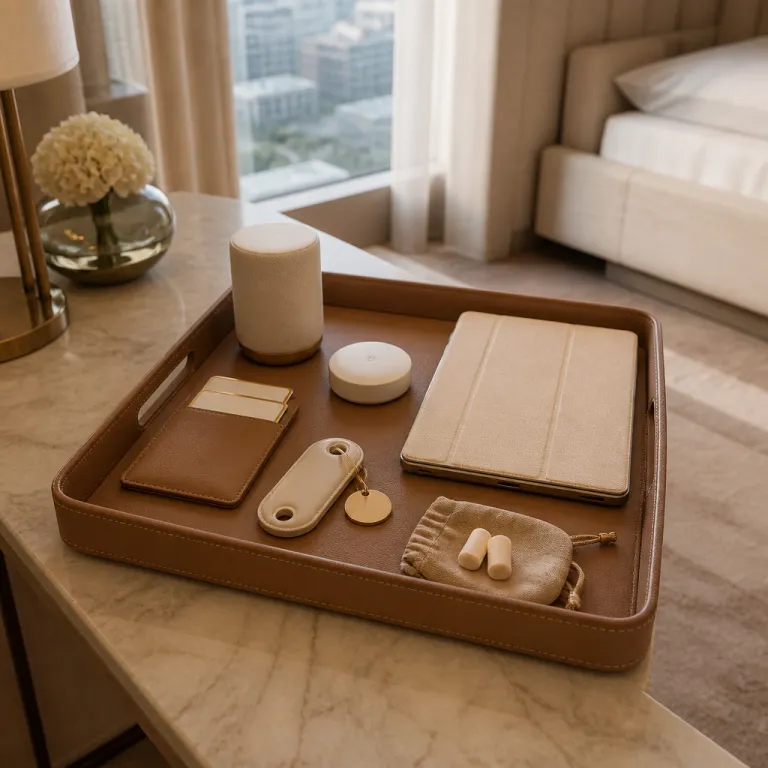
As AI becomes standard in luxury hotels worldwide, a counter trend is quietly emerging. A small group of ultra luxury properties is experimenting with unplugged concepts where hospitality technology is hidden behind walls, and the guest sees almost no screens during the stay. Canary Technologies has tracked several such launches, noting that the ultimate luxury for some guests is a hotel experience where the systems are smart but the surfaces feel analog.
For last minute travelers, these unplugged stays still rely heavily on AI behind the scenes. Hotel operations use predictive tools to staff the front desk at the exact time a delayed flight finally lands, or to pre cool a room when the car leaves the airport, but the guest only encounters attentive staff and a handwritten note. This is the AI luxury hotel guest experience 2026 in its most discreet form, where guest experiences are shaped by algorithms yet delivered through pure human touch.
Executives extending a work trip into a quiet weekend increasingly seek this balance between connectivity and calm. They want hotel technology to handle luggage tracking, restaurant waitlists and spa availability in real time, while the visible service remains personal, from a concierge who remembers their name to a server who anticipates a second espresso. For readers interested in how these invisible systems define modern luxury hospitality, the feature on unplugged luxury hotels that hide their AI concierge technology behind invisible walls shows how guest expectations are evolving and why the next generation of guest experiences will feel both more tailored and more quietly human.