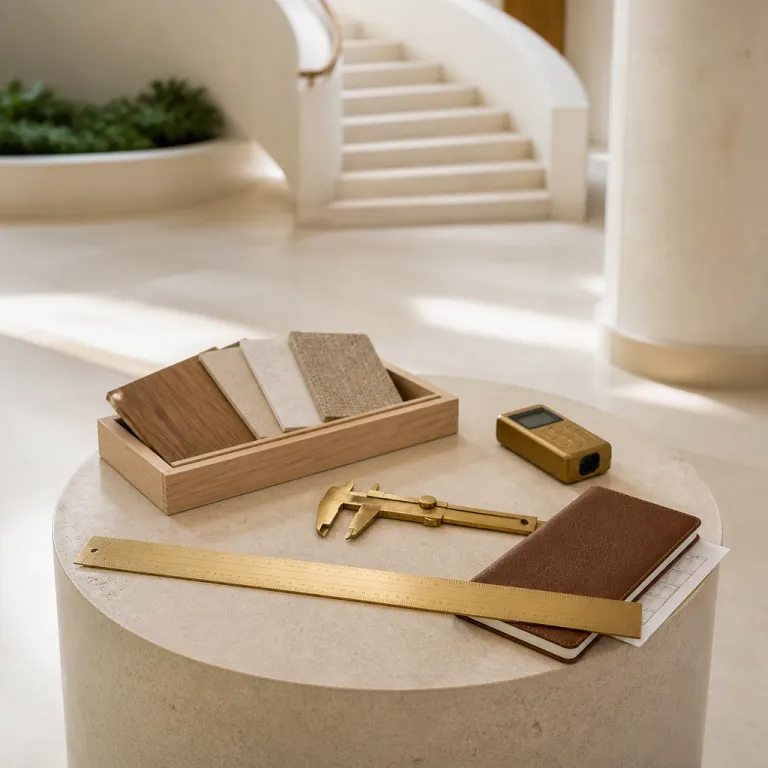
When architecture becomes the rarest amenity
Some luxury hotel properties now treat architecture itself as the defining amenity. In a market obsessed with ever larger lists of amenities hotel brands can promote, a quieter movement is reshaping what guests expect from a last minute stay. For spontaneous travelers, the new luxury hotel architecture design amenity 2026 mindset means paying more for fewer rooms, more space, and a deeper sense of place.
At Hotel Palacio Bellas Artes in San Sebastián, an early twentieth century Beaux Arts cinema has been reimagined as an eighty one room luxury hotel with theatrical interior design and hospitality design details that frame every arrival. The guest experience begins under a soaring lobby ceiling where original plasterwork meets contemporary eco friendly lighting, and continues in guest rooms that use velvet acoustics and mycelium panels to soften the city’s soundtrack. For last minute travelers, a dropped rate here is not a discount on amenities, but an invitation into a building where architecture, not a third party spa menu, carries the story.
Across the Mediterranean, Gran Hotel Margalida in Mallorca offers only twenty nine sea facing guest rooms carved into the Tramuntana mountains. The scarcity of rooms is a deliberate hotel management decision, turning the property into a kind of cliffside sanctuary where architecture, geology, and wellness experiences merge. When travelers book this hotel at the last minute, they are paying for the way the stone walls, framed sea views, and restrained room amenities create a high quality calm that no long list of bathroom amenities could match.
From materials to mindset: why fewer rooms cost more
Behind the scenes, the hospitality industry is quietly shifting from decorative luxury to structural luxury. Regenerative materials such as mycelium acoustic panels, algae based bioplastics, and reclaimed agricultural waste flooring are entering luxury hotel construction, changing both the feel of guest rooms and the long term sustainability profile of hotels. For travelers who read architecture as carefully as a wine list, this is where the luxury hotel architecture design amenity 2026 trend becomes tangible.
In properties like Gran Hotel Margalida, the decision to carve a small number of rooms into the mountain means every room, corridor, and terrace is shaped by rock, light, and air rather than by standard hotel amenities. This kind of hospitality design uses eco friendly materials not as a marketing line, but as a way to tune temperature, acoustics, and sensory details so guests experience effortless comfort. When a last minute booking opens up because someone else cancels, the premium you pay reflects the building’s constraints as much as its amenities hotel list.
Travelers who care about design trends increasingly ask whether the property’s materials justify the rate, or whether the hotel is simply layering décor over a generic shell. Articles on topics such as the materials revolution reshaping luxury hotel design show how rammed earth walls, lime plaster, and reclaimed timber can turn a standard room into a restorative cocoon. For last minute guests, the question is simple yet demanding ; does this room, with its specific room amenities and bathroom amenities, feel like somewhere that could only exist here, in this landscape, under this particular big sky.
Neuro aesthetic calm and the new wellness architecture
Wellness in luxury hotels has moved far beyond the spa level. Architects and hospitality design teams now work with neuroscientists and lighting experts to create guest rooms that support cognitive restoration, using biophilic design, natural materials, and carefully calibrated proportions. This is the quiet core of the luxury hotel architecture design amenity 2026 movement, where wellness is embedded in the walls rather than added as a treatment.
In practice, that means rooms where the bed faces a framed view instead of a television, where eco friendly materials regulate humidity, and where bathroom amenities are chosen for texture and scent that support sleep. Guests experience wellness not as a scheduled massage, but as a sequence of sensory details ; the sound of water, the weight of the door, the way light slides across stone at sunrise. For last minute travelers arriving late, this kind of high quality hospitality can turn a short stay into a genuine reset.
Silence has become one of the most coveted hotel amenities, especially in dense urban hotels where traffic and nightlife can easily intrude. Properties that invest in acoustic engineering, layered wall construction, and soft interior design elements are effectively selling quiet as a premium amenity hotel feature. Guides to how luxury hotels engineer silence reveal why some rooms cost more simply because they are positioned, insulated, and proportioned to protect sleep, which is the most fundamental guest experience of all.
Personalization without clutter: how design edits your stay
As personalization becomes a hospitality buzzword, the smartest hotels are editing rather than adding. Instead of overwhelming guests with endless amenities hotel options, they design spaces that can flex subtly to different travelers and different stays. This is where the luxury hotel architecture design amenity 2026 philosophy intersects with technology, service, and the art of restraint.
In many new hotels, room amenities are hidden in built in cabinetry, allowing the architecture to read as calm and uncluttered until the guest decides what to reveal. Lighting scenes, temperature presets, and even scent can be adjusted through discreet interfaces, often without relying on clunky third party apps that frustrate tired travelers. When personalization is embedded in the room’s proportions and joinery, the guest experience feels intuitive, not performative.
For last minute bookings, this matters because you often arrive with little time to learn a system or negotiate services. Properties that understand what guests expect at this level of luxury focus on a few high quality gestures ; a carafe of filtered water instead of plastic bottles, a generous work surface with real light, and bathroom amenities that feel tailored rather than generic. In photo galleries and on booking pages, these hotels may appear minimal, yet the hospitality industry insiders know that such simplicity usually signals a complex, carefully managed property where every design decision supports a smoother stay.
Paying for less: scarcity, story, and the last minute premium
When you book a last minute stay at a property like Hotel Palacio Bellas Artes or Gran Hotel Margalida, you are often paying more for less in the best possible way. Fewer guest rooms mean more space per guest, more attentive hospitality, and a stronger connection between architecture and landscape. This is the essence of the luxury hotel architecture design amenity 2026 trend, where scarcity is not a flaw but a feature.
Some of the world’s most respected hotels, from independent properties to global names like Ritz Carlton, now treat architecture as a primary driver of rate. Instead of competing on ever larger lists of hotel amenities, they invest in hospitality design that frames local experiences, from courtyards tuned to capture a particular breeze to staircases that choreograph how travelers move through light and shadow. Articles such as analyses of bold luxury hotels betting on history underline how story rich buildings can justify a premium even when the amenity list looks restrained.
For solo explorers booking on a whim, the question is not how many amenities hotel marketing can list, but how the property will feel at midnight, at dawn, and in that quiet hour before check out. The best last minute hotels use architecture, interior design, and carefully chosen room amenities to create a narrative arc across your stay, from arrival to departure. When you scroll through photo after photo on a booking site, look for evidence that the building itself is the amenity ; generous windows, thoughtful circulation, and spaces that seem to hold the local big sky or city light inside their walls.
How to read a last minute listing like a design insider
Evaluating a last minute luxury hotel online requires a different kind of attention. Instead of counting amenities hotel descriptions, focus on the bones of the building ; ceiling heights, window placements, and how guest rooms relate to shared spaces. This is where the luxury hotel architecture design amenity 2026 perspective becomes a practical booking tool rather than a design theory.
Start by studying the floor plans and any available photo sets, looking for continuity between the lobby, corridors, and rooms. Properties that treat architecture as an amenity usually show consistent materials, coherent interior design, and a clear relationship between local context and interior spaces. If every room photo feels interchangeable with any other hotel in any other city, the property is probably leaning on décor rather than on structural hospitality design.
Next, read guest reviews with an ear for sensory details rather than generic praise. Comments about light, quiet, air quality, and the feel of materials often reveal more about the guest experience than lists of bathroom amenities or spa services. In a hospitality industry where third party booking platforms tend to flatten hotels into star ratings and amenity icons, learning to read between the lines is the surest way to find those rare properties where architecture, wellness, and service align to make your spontaneous stay feel both intentional and unforgettable.
FAQ: architecture as a luxury hotel amenity
Why do some luxury hotels charge more even with fewer amenities
Some luxury hotels invest heavily in architecture, eco friendly materials, and hospitality design instead of long amenity lists. Fewer guest rooms, thicker walls, and carefully engineered quiet can significantly increase construction and operating costs. The higher rate reflects this structural investment, which often delivers a calmer, more restorative guest experience than a crowded property with more visible amenities.
How can I tell from photos if a hotel’s architecture really matters
Look for consistency between exterior and interior photos, paying attention to how materials, light, and proportions carry through the property. Hotels that treat architecture as an amenity usually show generous windows, thoughtful circulation, and uncluttered guest rooms where room amenities are integrated into the design. If every photo feels like a generic set, the building itself is probably not the main focus.
Does sustainable design actually improve my stay, or is it just marketing
Sustainable and eco friendly design can directly improve comfort by regulating temperature, acoustics, and air quality. Materials such as rammed earth, lime plaster, and mycelium panels often create more stable, quieter rooms than conventional construction. When combined with high quality bathroom amenities and restrained décor, these choices support better sleep and a more relaxing stay.
Are last minute deals at design focused hotels really worth the premium
Last minute rates at architecture led hotels can offer strong value because you access high cost construction and design for less than the usual price. Even if the discount is modest, the guest experience often feels richer thanks to better light, quieter rooms, and more considered layouts. For solo travelers who value space, calm, and local character, paying a little more for this kind of property usually makes the stay more memorable.
What should I prioritize when choosing between two similarly priced hotels
When prices are close, prioritize the property with stronger architecture, clearer design intent, and better guest reviews about sleep quality and atmosphere. A shorter list of hotel amenities can still deliver a superior guest experience if the building is well proportioned and acoustically calm. Over time, these structural qualities matter more than extra gadgets or rarely used services.
Sources
Wallpaper magazine ; Architectural Digest ; Condé Nast Traveler.