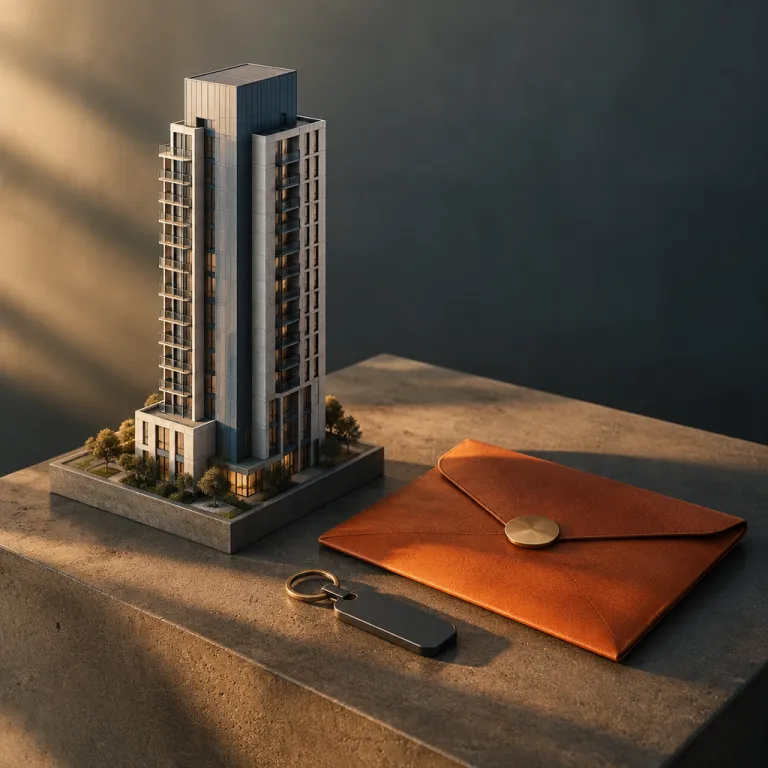
From guest to owner: how luxury hotel branded residences reshape the stay
Luxury hotel branded residences ownership investment sits exactly where high end travel meets long term strategy. For frequent executive travelers, the line between a familiar luxury hotel suite and a fully owned residence inside the same property is becoming thinner, while the hospitality sector quietly rewrites what residential living can feel like. The result is a new class of branded residences that function as both private home and high touch hotel room, with residents and guests sharing the same elevated service standards.
At its core, a branded residence is a residential property that carries the name, design language, and management expertise of established hotel brands. These branded residential developments rely on a formal management agreement, where the hotel brand oversees operations, staffing, and service delivery for both residents and transient guests, ensuring that the same hospitality DNA runs through every corridor. For buyers, this structure turns a traditional real estate purchase into a hybrid between a home, an investment property with potential rental yields, and a familiar luxury hotel base that can be used as often as their travel schedule allows.
The appeal for residents is obvious once you have checked into one of these residences branded projects for a last minute stay. You arrive late from a delayed flight, and the front desk knows your preferences because the same management team runs both the hotel and the residential wing, so your living space feels instantly calibrated. Over time, that consistency of service, design, and management across multiple branded residences in different cities can make one brand feel like a private global club, especially for executives who already log thirty or more luxury hotel nights each year.
Why hotel brands are betting on residential property as the next frontier
For the major hotel brands, luxury hotel branded residences ownership investment is not a side project ; it is a structural shift in how they grow. Instead of relying only on nightly room revenue, they extend their brand into residential properties that generate upfront sales, ongoing management fees, and long term loyalty from residents who effectively become lifetime guests. This development model has turned branded residence projects into one of the fastest expanding segments of the luxury hospitality market.
Groups such as Marriott, Ritz Carlton, and Banyan Tree have each built a portfolio of branded residential properties that sit beside or on top of their hotels. A single development might include a luxury hotel tower, several floors of branded living, and a separate entrance for residents, yet the same management team orchestrates the entire property with unified service standards and coherent design. For buyers, the presence of a globally recognised hotel brand can justify price premiums over comparable real estate, because the residence is sold not only as property but as an ongoing hospitality experience.
For last minute travelers using a premium booking website, this shift has a subtle but important effect on availability. Many branded residences include rental programs that allow owners to release their residence into the hotel inventory when they are away, which quietly increases the pool of suites that can appear at short notice. Some of the most interesting seasonal comebacks in resort markets, similar in spirit to the summer hotels that disappeared and returned, are now tied to mixed use developments where residential and hotel components flex together.
Six Senses AMAALA and the new mixed living blueprint in saudi arabia
Nowhere is the fusion of hotel and residence more visible than in destinations such as Saudi Arabia, where large scale coastal projects are redefining luxury hospitality. Six Senses AMAALA, on the Red Sea, combines 100 hotel suites and villas with 25 branded residences, allowing residents and guests to share the same wellness focused environment while using different parts of the property in very different ways. For a last minute traveler, that means a resort that feels fully alive even when many residence owners are away, because the hotel side keeps the restaurants, spa, and experiences operating at full service standards.
In this kind of development, the branded residence component is not an afterthought but a core part of the master plan. The residential properties are designed from the outset to match the hotel’s architecture, wellness philosophy, and sustainability goals, so that residents experience the same level of hospitality as guests, only with more storage, more privacy, and a deed instead of a room key. When a residence enters the rental pool, the management team treats it as part of the luxury hotel inventory, which can create unexpected last minute availability in what would otherwise be a fully sold out resort.
For investors evaluating luxury hotel branded residences ownership investment in Saudi Arabia or similar markets, the Six Senses AMAALA model offers a clear template. The branded residential units benefit from the destination marketing and operational strength of the hotel brand, while the hotel benefits from a base of residents who spend on spa, dining, and experiences year round. Our in depth coverage of this project in the feature on Saudi Arabia’s most ambitious wellness resort shows how this balance between hotel guests and residents can create both emotional and financial returns.
Guest versus owner: how the experience changes when your neighbor holds the deed
Staying in a luxury hotel that also houses branded residences changes the social temperature of the property. At breakfast, you might share a table row with residents who know every member of the management équipe by name, while you are there on a three night last minute booking. That mix can make the atmosphere feel more like a private members’ club than a transient hotel, especially in developments where branded living spaces occupy a significant share of the building.
From a service perspective, the presence of long term residents often raises the bar for everyone. Residents expect consistent service standards, stable management, and thoughtful design decisions, because they live with the consequences every day, not just for a weekend, and that pressure can improve the experience for short stay guests as well. When a branded residence owner complains about noise transmission or lobby traffic, the hotel brands tend to respond quickly, which is one reason many of the quietest urban properties we feature in our guide to how luxury hotels engineer silence are also those with a strong residential component.
There is, however, a cultural adjustment for travelers used only to traditional hotels. Some facilities may be reserved for residents, and certain floors or pools can feel more like private residential spaces than shared hotel amenities, which changes how you move through the property. For many executive travelers, that trade off is acceptable, because the upside is a calmer environment, more predictable service, and the option to transition from guest to owner if the property becomes a regular base.
Does owning a branded residence ever beat thirty luxury hotel nights a year ?
For the business leisure executive who spends a month each year in the same city, the financial question behind luxury hotel branded residences ownership investment is straightforward. At what point does buying a branded residence, or even one of the more compact carlton residences style units, make more sense than paying for thirty luxury hotel nights annually at full price ? The answer depends on local real estate values, expected rental yields, and how often you are willing to release your residence into the hotel’s rental program.
In prime markets, branded residences typically command price premiums over comparable non branded residential property, because buyers are paying for the hotel brand, the management agreement, and the embedded hospitality infrastructure. When the property is placed into the rental pool, the same management team that runs the luxury hotel handles marketing, guest screening, and on site service, which can support stronger rental yields than a standalone apartment with no brand. Over a long term horizon, some investors view a branded residence as both a lifestyle asset and a hedge against rising hotel rates, especially in cities where hotel brands like Marriott, Ritz Carlton, and Banyan Tree have strong pricing power.
For last minute travelers, the presence of residences branded within a development quietly increases the odds of finding a high calibre room when plans change late. Units that would otherwise sit dark while residents travel can be released into inventory, sometimes at attractive rates when management wants to keep occupancy and ancillary spending high. The key is to understand each branded residential project’s rules, because some branded residence schemes allow very flexible owner use, while others require a minimum number of days in the rental pool to maintain full hotel level service.
How to read the fine print: management, service, and what you actually own
Behind every polished sales brochure for branded residences lies a dense stack of documents that define the relationship between residents, the hotel brand, and the operating company. The management agreement sets out who is responsible for staffing, maintenance, and service delivery, and it usually locks in the hotel brands’ involvement for a defined durée, sometimes with options to renew. For buyers, understanding this agreement is as important as evaluating the property’s design, because it determines whether the luxury hotel experience you see today will still be there in a decade.
Key points include how service standards are enforced, how fees are calculated, and what happens if the brand or management company changes. Some developments structure the branded residence component as a separate residential property association that contracts with the hotel operator, while others integrate residents more tightly into the hotel’s own governance, which can give them more influence over long term decisions. In both cases, the strength of the brand and the clarity of the management structure are central to protecting both living quality and investment value.
For investors comparing different residences branded under names like Ritz Carlton, Carlton Seasons, or Banyan Tree, the most useful exercise is to map how you actually plan to use the residence. If you expect to live there most of the year, service and community may matter more than rental yields, while if you see it primarily as an investment, the real estate fundamentals and flexibility of the rental program become decisive. Either way, the rise of branded living means that your next last minute booking might be a preview of a future home, rather than just another hotel stay.
FAQ
What exactly is a luxury hotel branded residence ?
A luxury hotel branded residence is a privately owned residential unit that is integrated into a hotel or resort and operated under the same brand, management, and service standards. Owners hold a deed to their residence but benefit from hotel style amenities such as concierge, housekeeping, spa access, and security. For travelers, these properties can appear in booking systems as high end suites when owners place their residences into the rental pool.
How do rental programs for branded residences usually work ?
Most branded residence developments offer an optional rental program managed by the hotel operator, allowing owners to release their residence as part of the hotel inventory when they are not in residence. The management company handles marketing, reservations, guest services, and maintenance, then shares the revenue with the owner according to a predefined formula. This structure can generate rental yields while keeping the property aligned with the hotel’s service standards and brand positioning.
Are branded residences a better investment than traditional luxury real estate ?
Branded residences often command price premiums compared with similar non branded properties because buyers pay for the association with a recognised hotel brand, professional management, and access to amenities. In some markets, these advantages support stronger resale values and more resilient demand, especially from international buyers who trust global hotel brands. However, long term performance still depends on location, overall market conditions, and the quality of the specific development.
What should I check before buying into a branded residential development ?
Prospective buyers should review the management agreement, service fee structure, and rules governing owner use and participation in the rental program. It is important to understand how long the hotel brand is contractually committed to the property, what happens if the operator changes, and which facilities are reserved for residents versus shared with hotel guests. Visiting the property as a guest first can also provide a realistic sense of service quality, noise levels, and how the mix of residents and hotel guests feels in daily living.
Can last minute travelers benefit from the rise of branded residences ?
Yes, last minute travelers often benefit because owner units that would otherwise sit empty can be released into the hotel’s inventory, increasing the number of high quality rooms available at short notice. These residences typically match or exceed the design and service standards of regular hotel rooms, since they are built to satisfy both residents and guests. For spontaneous trips, that can mean access to larger suites or apartment style layouts that only exist because of the branded residential component.